How a Silent Film Helped Make Industrial America and the Film Industry Safer
Safety message rings loud and clear in silent film that was recently rediscovered, restored and scored with period-appropriate music.
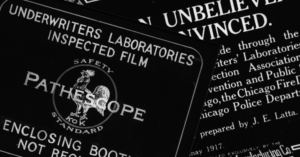
For more than 100 years, a silent film about a fictional industrial fire in Chicago remained elusive to the safety science organization that commissioned the short motion picture.
But in 2025, it resurfaced at the University of Maryland Libraries, uncovered by the preservation team. Why it landed there, stored alongside a collection of movies printed on an entirely different type of film, was a mystery.
The quest for answers triggered the film’s serendipitous reunion with UL Research Institutes — one of three independent organizations that formed out of Underwriters Laboratories, which commissioned the film in 1917.
Then, in the first half of 2026, the deteriorating film was restored; scored with period appropriate music; and even slated for screenings at film festivals.
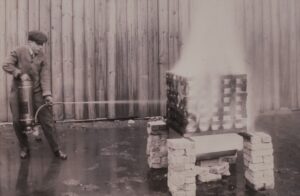
ULRI’s An Unbeliever Convinced signifies more than the return of a lost silent film, though. It reveals how an organization used one of the most popular storytelling tools of the early 20th century to change unsafe behavior against a backdrop of deadly industrial fires in urban areas.
“The film’s rediscovery uncovered a piece of cinematic history and opened a window into our organization’s early use of storytelling to promote public safety,” said Alan Akers, head archivist at ULRI. “Its lessons still apply today as safety science confronts new hazards and the longtime challenge of moving people from awareness to action.”
Fighting Fire with Film
Produced by Essanay Studios, the production house that helped advance the career of silent film actor Charlie Chaplin, An Unbeliever Convinced tells the story of a wealthy property owner who ignores repeated warnings about fire hazards in one of his warehouses.
When a fire breaks out, workers struggle to escape, while firefighters race toward the emergency through Chicago streets in both horse-drawn and motorized fire trucks. Some people are rescued, but others perish — including the owner’s daughter, forcing him to confront the cost of his negligence.
The message was clear: Prevention mattered. The film sought to influence decision-makers’ choices around the safety of their properties, employees, and the public amid an era of catastrophic fires.
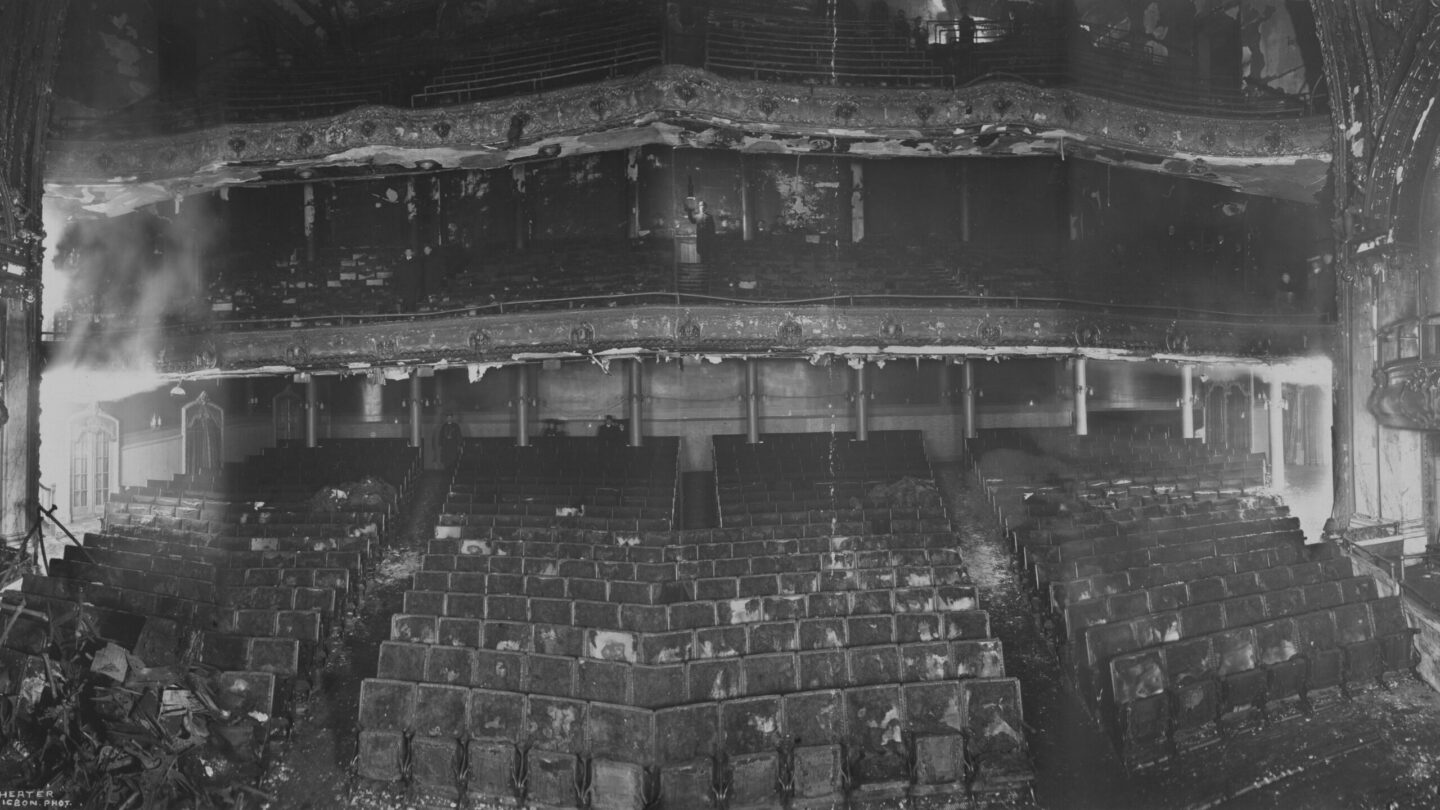
In 1903, the Iroquois Theatre fire in Chicago killed more than 600 people after a stage curtain ignited during a crowded matinee. The 1911 Triangle Shirtwaist Factory fire in New York killed 146 workers, and the 1929 Cleveland Clinic fire claimed 123 lives after nitrate X-ray film ignited in a storage room.
“There weren’t a lot of workers’ rights at the time,” said Kristen Delphos, ULRI’s vice president of corporate communications and public relations. “Reaching decision-makers with necessary safety information was critical then, as it is now. Educating them to make good choices was likely a major aim of this film.”
From factory floors to Hollywood, film makes impact
While An Unbeliever Convinced aimed to make a significant impact on public and workplace safety practices, its potential impact on the film industry should also be considered.
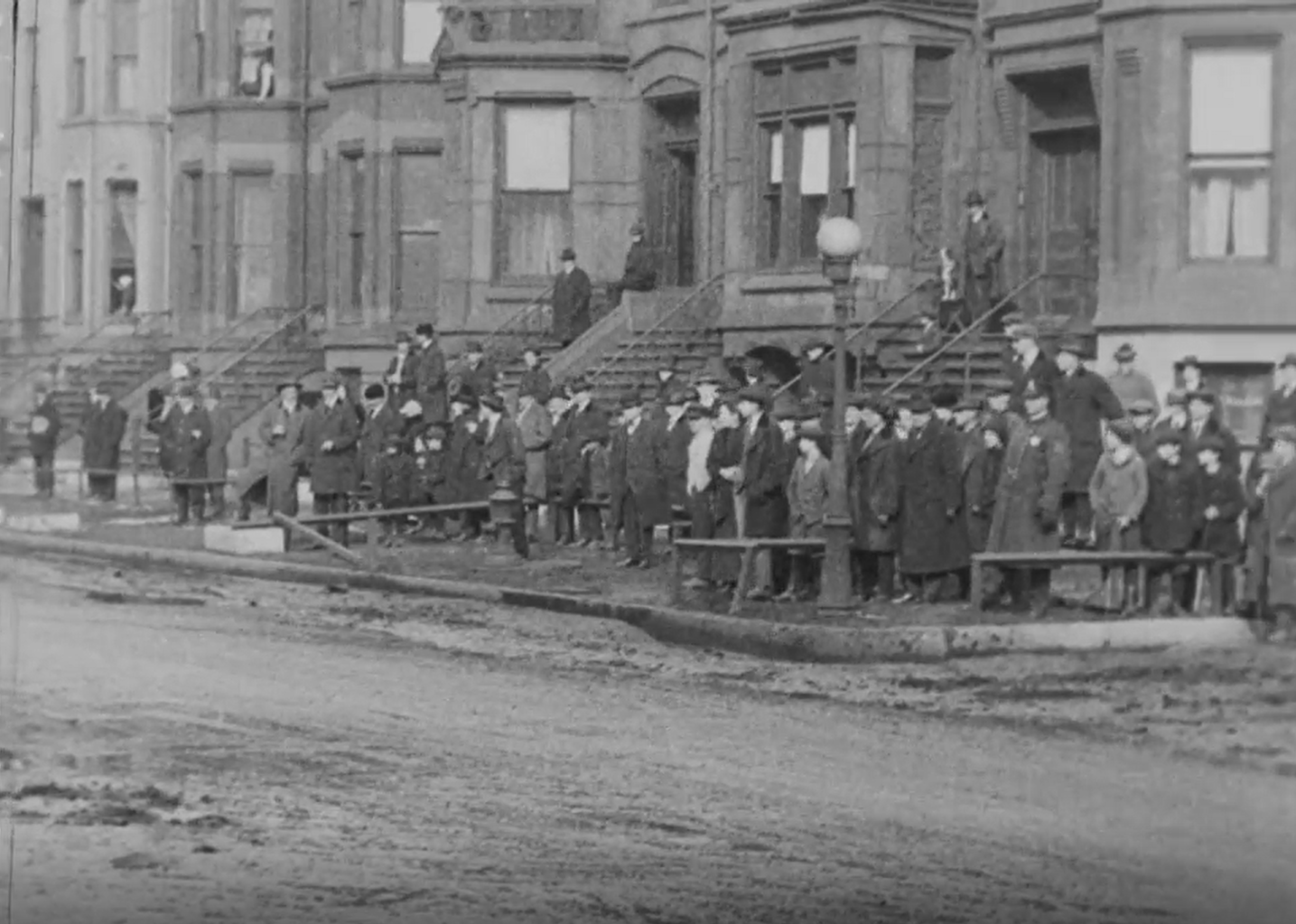
Nearly 70 percent of the silent films made between 1912 and 1929 are considered lost, according to the Library of Congress — making the rediscovery of this film even more notable.
“Imagine if three-quarters of the Rembrandt paintings were gone. It’s unthinkable,” said Jon Mirsalis, the composer who scored the film after it was rediscovered and restored. “Films are historical documents. Many were shot on location, so you can say, ‘Look at these streets of New York,’ or ‘Here’s San Francisco just after the earthquake.’ These films preserve our past.”
An Unbeliever Convinced is no different: It’s a visual record of Chicago streets, fire stations, firefighting equipment, and emergency response at a pivotal moment in the history of fire services.
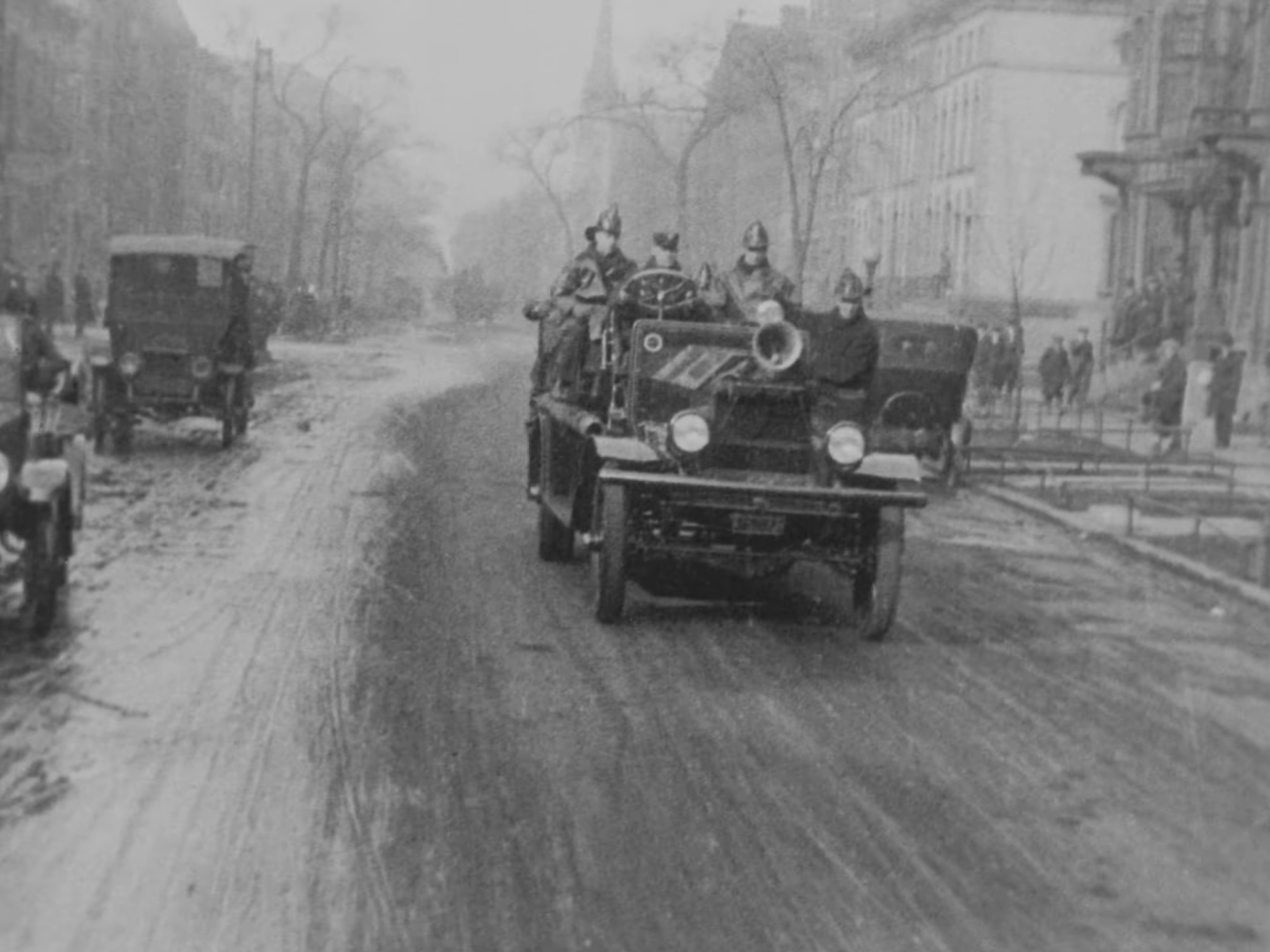
“This film gives us a rare window into the fire risks, safety practices, and public-safety messaging of its time,” said Steve Kerber, vice president and executive director of the ULRI Fire Safety Research Institute. “It helps connect ULRI’s early work to the safety challenges we continue to address today.”
In addition, An Unbeliever Convinced was an unusually ambitious production when compared with other industrial-sponsored educational films of the time, according to Dino Everett, who restored the film to a viewable condition at the request of ULRI. Everett is an archivist for the USC HMH Foundation Moving Image Archive.
“There were big stunts; they closed down streets to drive fire engines through Chicago; and they used professional actors alongside actual firefighters,” Everett said. “Some of the shots and the production values that went into this film are far and above any other educational films that I’ve seen from around that time.”
Rare film type makes film safer, salvageable
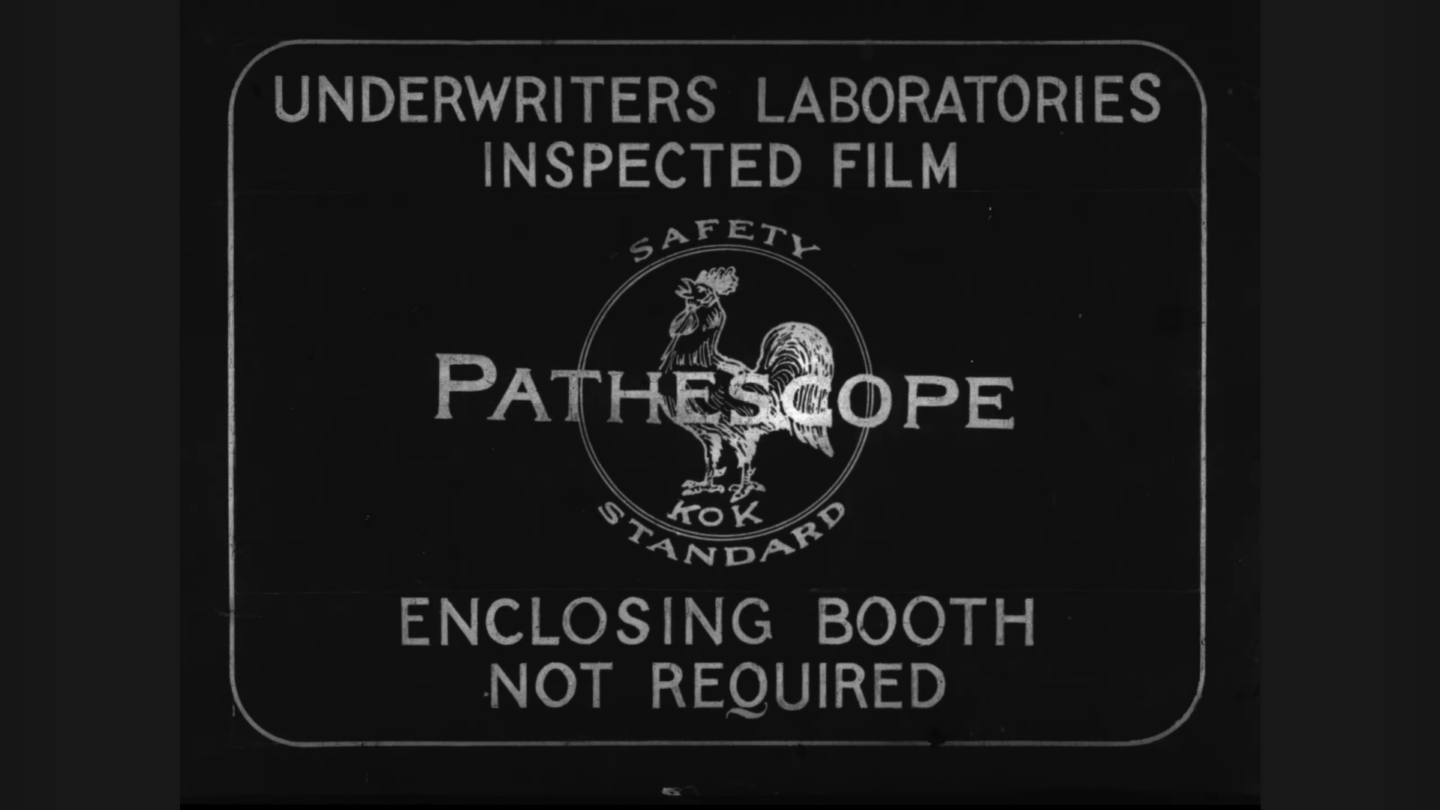
Most significant to the film industry, though, was the 28mm Pathéscope diacetate safety film that An Unbeliever Convinced was printed on—a rarity considering most movies from that period were printed on highly flammable nitrate film.
“Nitrate creates its own oxygen when it burns,” Everett said. “You can’t extinguish it with water. You could throw a burning nitrate film reel into the ocean, pull it back out, and it would still be burning.”
Early movie projectors, which illuminated film frames using a hot open flame, compounded the fire risk. Movie theaters expected fires and took precautions, but the dangers drove the industry toward “safety” diacetate or triacetate film, which would smolder and melt rather than ignite.
Pathéscope launched 28 mm diacetate safety film in 1912, making An Unbeliever Convinced a relatively early use case of the film type—an important distinguishment for ULRI, considering its focus on fire safety.
“Being so concerned with fire safety,” Akers of ULRI said, “the organization would not have wanted to release a film that was highly flammable.”
From tiny pieces to premiere-ready: A film is transformed
The decision to use diacetate film not only made the film safer to watch in confined spaces, but it may have also made the reel’s preservation possible more than a century later, after landing at the University of Maryland Libraries.
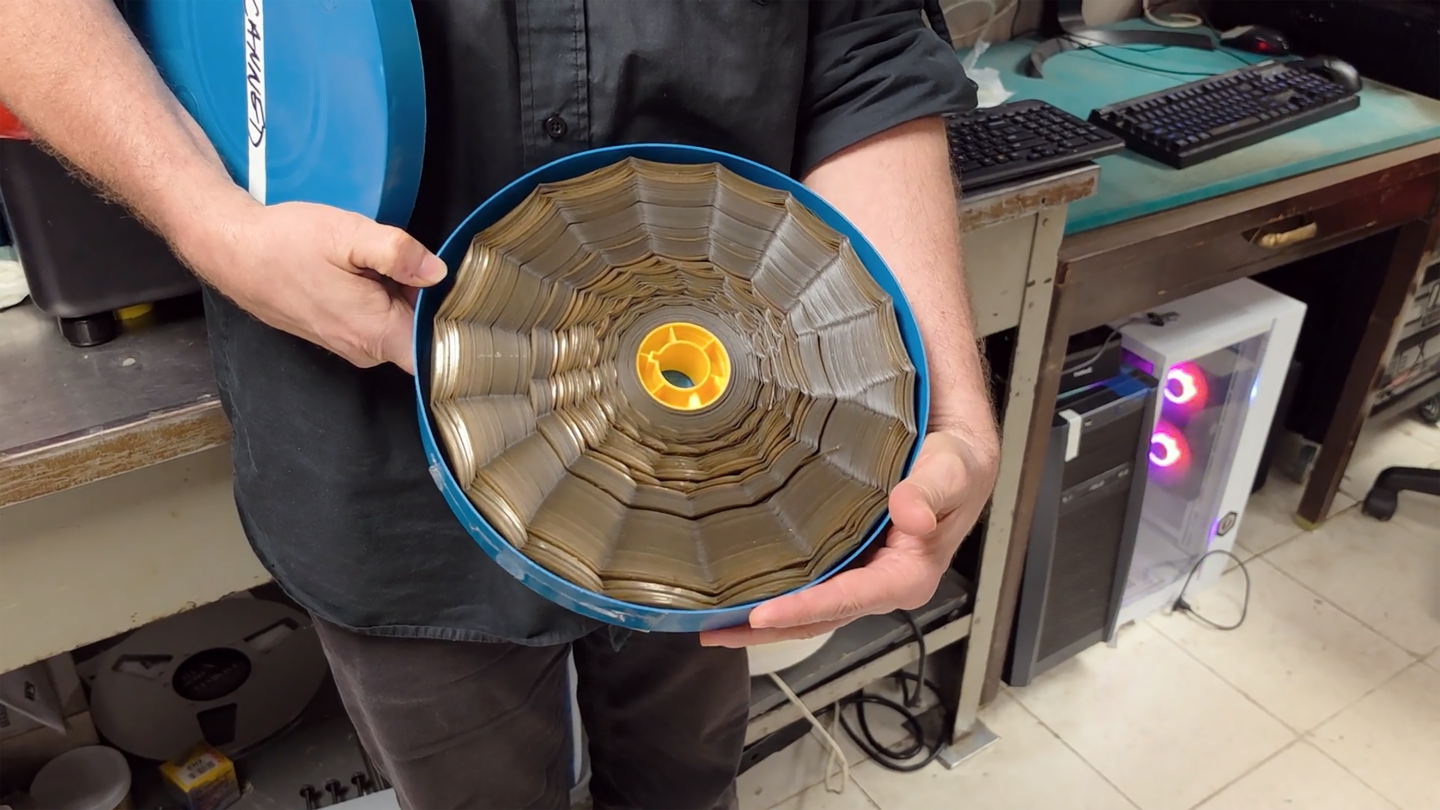
The university’s head preservationist Mark Coulbourne said the film came to the preservation department in pieces, in a tin can, on a wooden reel, with a distinct odor that did not evoke nitrate. Because his team didn’t have experience with 28 mm film, he had to look for help.
He incidentally connected with Nick Spark, co-founder of Periscope Film, at an industry conference for film archivists—and with Spark’s help, the right collaborators fell into place to save the film. ULRI commissioned Everett to physically restore the film and Mirsalis to create a new score inspired by music from the 1927 film, The Fire Brigade.
“Mark recognized right away that the film was something precious and important,” Spark said. “Thank goodness he did because in another few years, who knows if we ever would have been able to scan it.”
Everett deployed several methods to physically restore the film, including puzzling together tiny broken pieces of film to rebuild frames, and encasing strips of film in tape so that it could be scanned. He estimates the film is in the 90-95 percent “saved range.”
Had the movie been on nitrate, it probably would have faced a different fate: Entire collections of silent films have disappeared in large storage fires, while other reels remain isolated in chilly vaults, rarely restored because of cost and hazard.
An Unbeliever Convinced beat the odds, surviving more than a century after many silent films disappeared. It’s even been selected for screenings at film festivals, including the 62nd Cinecon Classic Film Festival in Los Angeles in September 2026.
A Film and Message for the Ages
For ULRI, the film’s return is not only a preservation story, but also a reminder that the organization has long used storytelling to make safety science visible and actionable.
“We believe that science isn’t finished until it’s communicated,” Delphos said. “Storytelling is how we help people make sense of science so they know how to act on it.”
That challenge endures even as the hazards change. Fires today may involve lithium-ion batteries, fast-burning synthetic materials, large warehouses, data centers, or other emerging risks, but the need to move people from awareness to action remains the same.
“They were meeting people where they were,” Kerber said of the 1917 film. “That’s what we need to do today. We need to meet people where they are when it comes to safety messaging.”
PUBLISHED