An Unbeliever Convinced (1917)
A restored silent film commissioned by Underwriters Laboratories
A century-old silent film on rare 28mm diacetate safety film stock refuses to become another “lost silent film” statistic. The newly restored motion picture—a fictitious, dramatic account of Chicago firefighters’ rescue efforts at an industrial fire—has stood the test of time, highlighting how storytelling can help make the world a safer place.
Film Specifications
- Title: An Unbeliever Convinced
- Year: 1917
- Runtime: 20:26
- How to Watch: YouTube
- Logline: A wealthy real estate owner’s disregard for fire safety leads to tragic consequences for industrial workers.
- Film type: 28mm Pathéscope diacetate safety film
- Genre: Silent film; industrial film; educational film; fire safety; workplace safety
- Production: Commissioned by Underwriters Laboratories in collaboration with the National Fire Protection Association, the Bureau of Fire Prevention and Public Safety of the City of Chicago, the Chicago Fire Department, and the Chicago Police Department, and produced in Chicago by Essanay Studios.
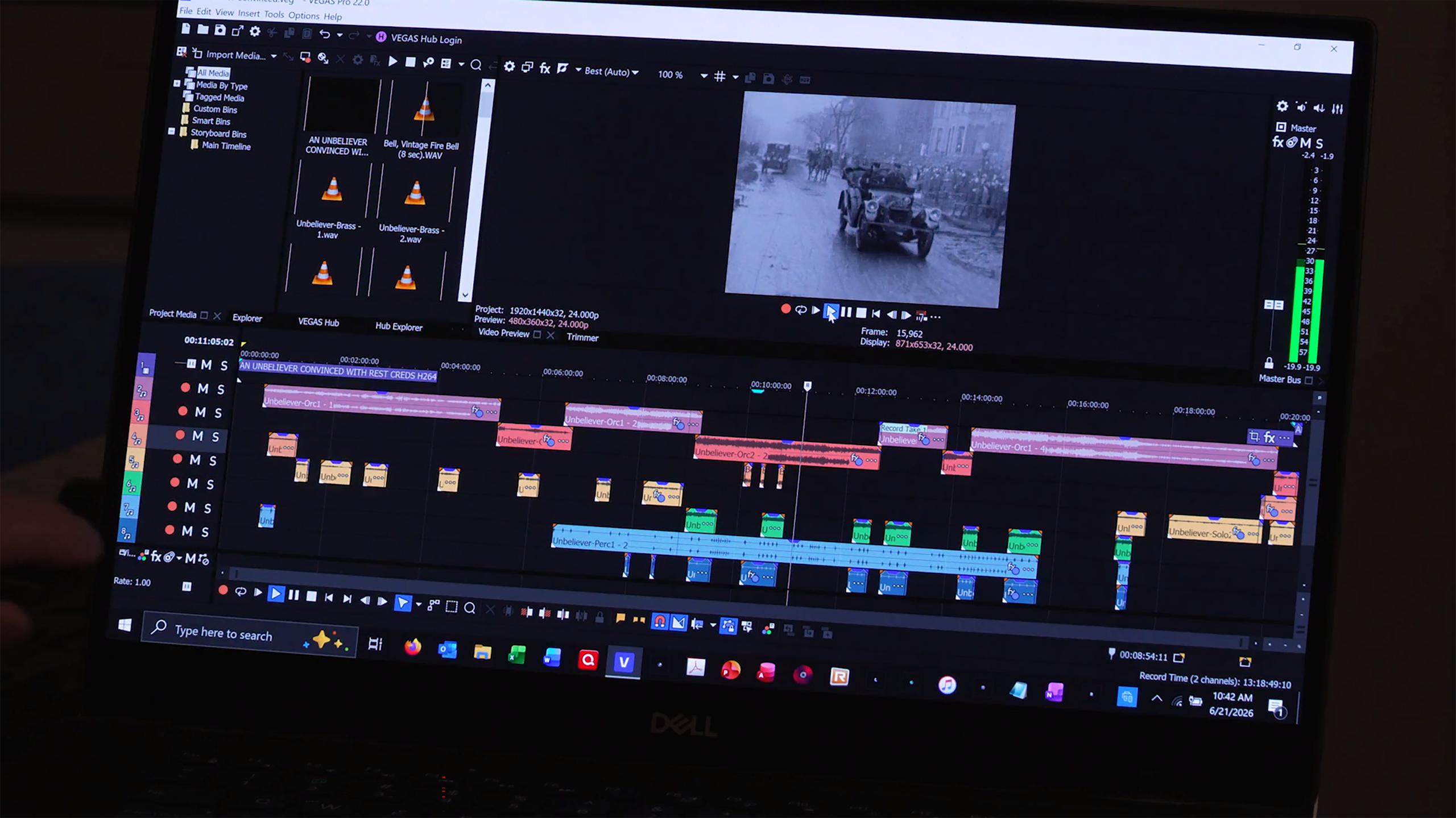
- Music: Newly scored by Jon C. Mirsalis with a period-appropriate musical accompaniment.
- Restoration: Collaborative effort among the University of Maryland Libraries, Periscope Film, the USC HMH Foundation Moving Image Archive, and UL Research Institutes (ULRI), one of three independent organizations formed out of Underwriters Laboratories.
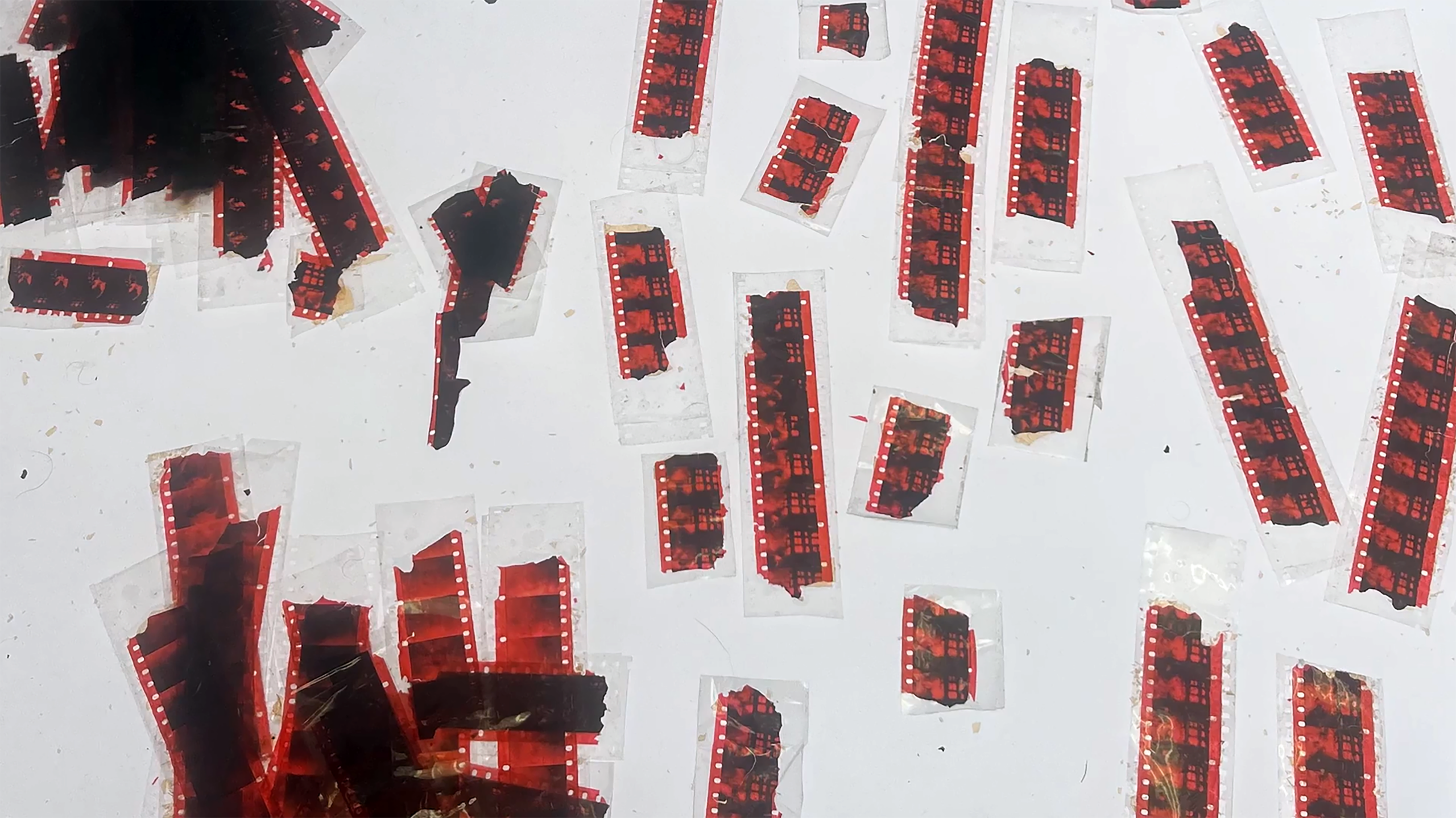
- Of note: Because the surviving film reel had become extremely brittle, a few very short clips are missing from the red-tinted scenes depicting the burning building and initial firefighting activities.
Synopsis
An Unbeliever Convinced tells the story of E.H. Simpson, a wealthy real estate owner who dismisses official orders from the Chief of the Chicago Fire Prevention Bureau to address fire hazards at one of his warehouses. Despite the chief’s orders and pleas from his own daughter—a young social worker—Simpson refuses to install fire escapes and sprinklers, enclose interior stairs, change exit doors, and remove basement rubbish.
Disaster follows when an office boy ignores a “no smoking” sign and lights a cigarette in the basement of a building while women are at work upstairs. As smoke spreads and flames take hold, firefighters rush through the streets of Chicago on horse-drawn steam engines and early motorized fire trucks. The film’s dramatic rescue scenes offer a rare visual record of early 20th-century firefighting methods and public safety practices, including women escaping by trampoline and ladder; victims being carried from the building; and firefighters using artificial breathing equipment.
In the aftermath, Simpson confronts the consequences of his inaction. Among the victims is his own daughter, whose death transforms him from a skeptic of fire prevention into “an unbeliever convinced,” too late. Commissioned by Underwriters Laboratories in 1917 and produced by Chicago’s Essanay Studios, An Unbeliever Convinced uses the power of silent cinema to dramatize a message that remains urgent today: Safety depends not only on awareness, but on action.

“An Unbeliever Convinced is on par for the quality of filmmaking that was occurring at that time. But it’s also far and above the quality that you would normally get with a “sponsored” film. Some of the shots and the production values that went into this film are far and above any other educational films that I’ve seen around that time. If you took the Underwriters Laboratories name off of the film, it would still play as a really enjoyable cinema film from 1917.”
Dino Everett
Archivist, HMH Foundation Moving Image Archive
University of Southern California
Film History
For nearly a century, An Unbeliever Convinced was believed to be lost—one of countless silent-era films erased by time, neglect, and the fragility of early motion-picture formats. Its survival is especially fitting: A film about fire safety survived because it was printed on safety film. Pathéscope’s 28mm diacetate safety film, designed for educational exhibition and less flammable then the nitrate stock that dominated the era, helped preserve a story that could easily have been lost to the hazards that erased so many silent-era films. Rediscovered in the University of Maryland Libraries archive, the film offers more than a recovered piece of silent cinema. It is a rare visual record of early 20th-century fire prevention, Chicago firefighting methods, and the early use of storytelling to advance public safety.
“We see this film as one of many communications tools that our early leaders used, such as newspaper articles, magazine articles, and lectures. They even wrote a book in 1923. So, it makes total sense that they would have used the newest media of the time, film. It’s also very innovative that they would have blended information with entertainment at this time. It’s an effective communication tool that would have elicited an emotional response from the audience.”
Alan K. Akers
Head Archivist
UL Research Institutes
Timeline
Underwriters Laboratories produces two copies of An Unbeliever Convinced, releasing the motion picture on 28mm diacetate film to educate the public about fire prevention.
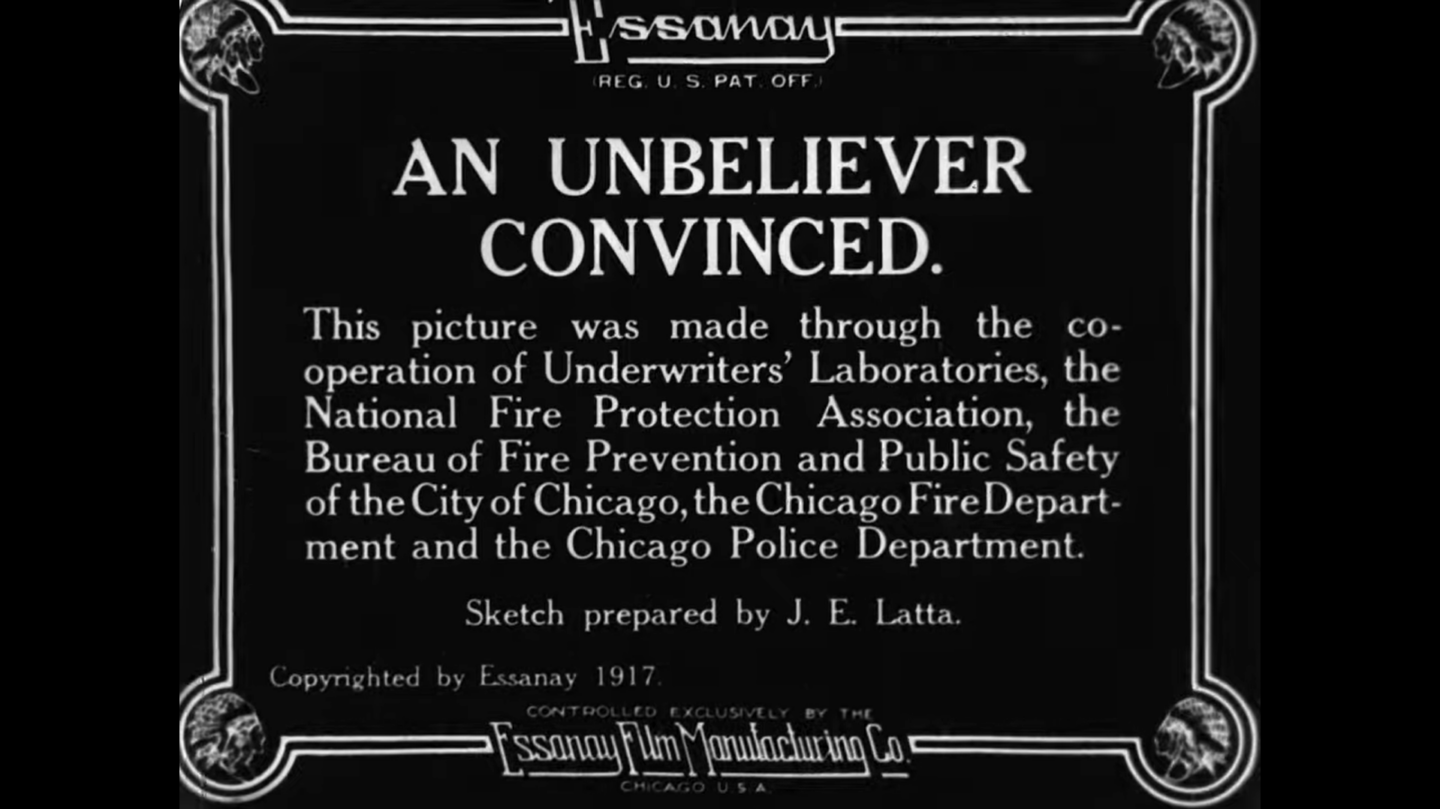
1922: Illinois State Fire Marshal hosts a screening of the film during the Pageant of Progress at Chicago’s Navy Pier for an audience of 75,000.
1925: According to Underwriters Laboratories’ company newsletters, two copies of the film were “in almost constant use throughout the year,” screened by insurance organizations, clubs, schools, and churches.
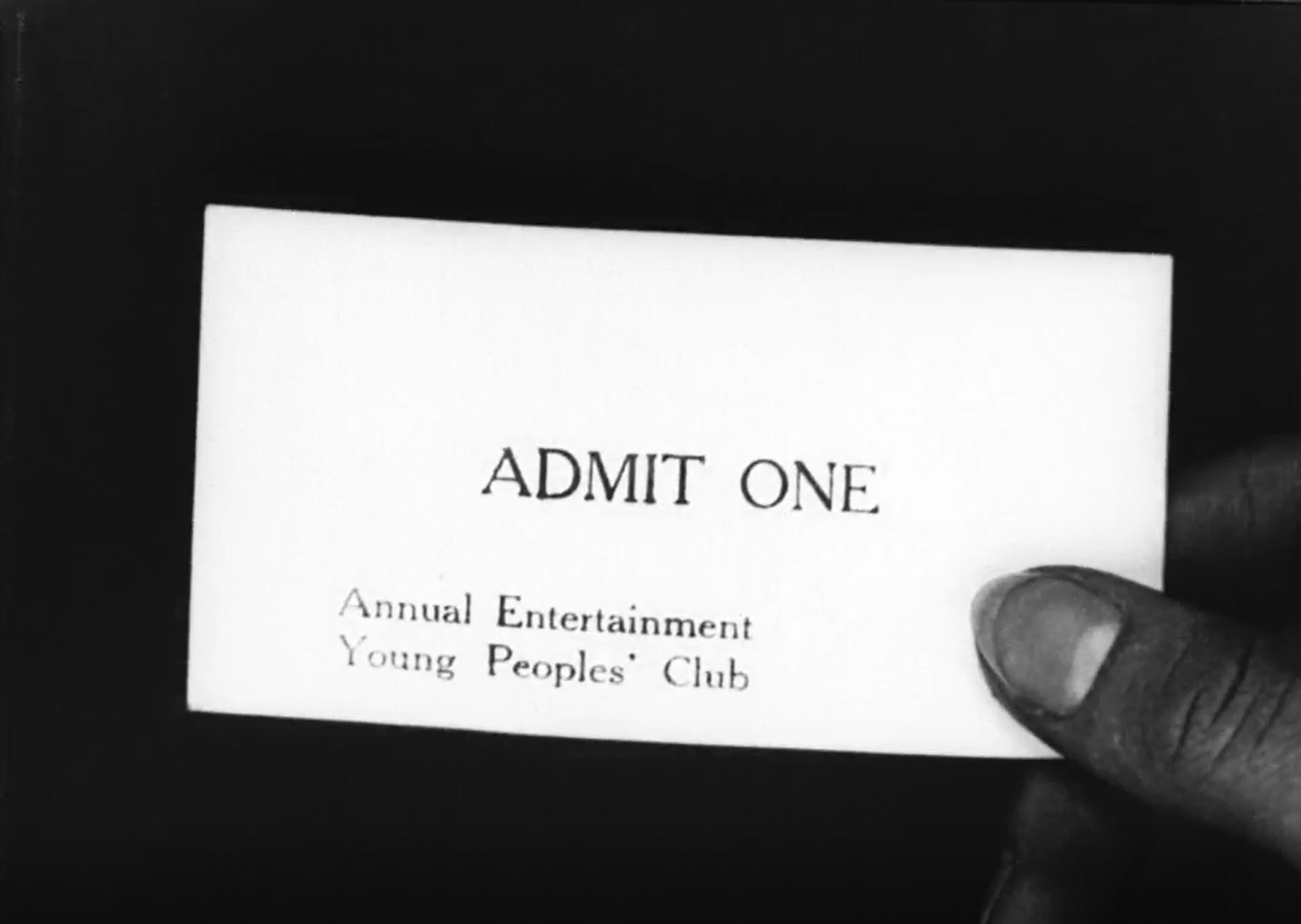
For exactly 100 years, company records make no mention of the film’s use or location.
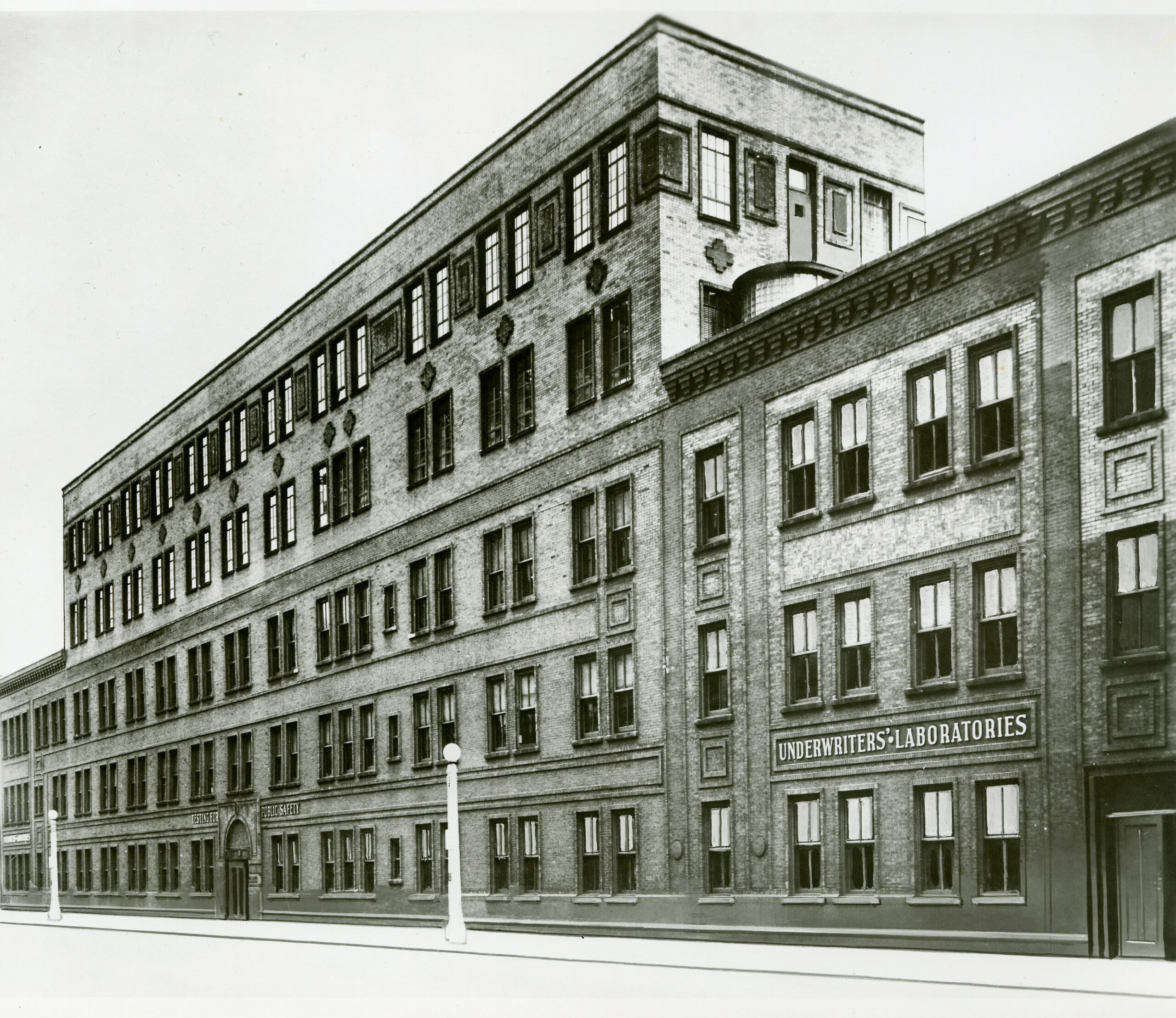
An Unbeliever Convinced is rediscovered in a film archive at the University of Maryland Libraries, but on-site restoration is not possible due to funding and resources.
Film archivists connect at an industry event and discuss the novelty of the film, kickstarting restoration discussions.
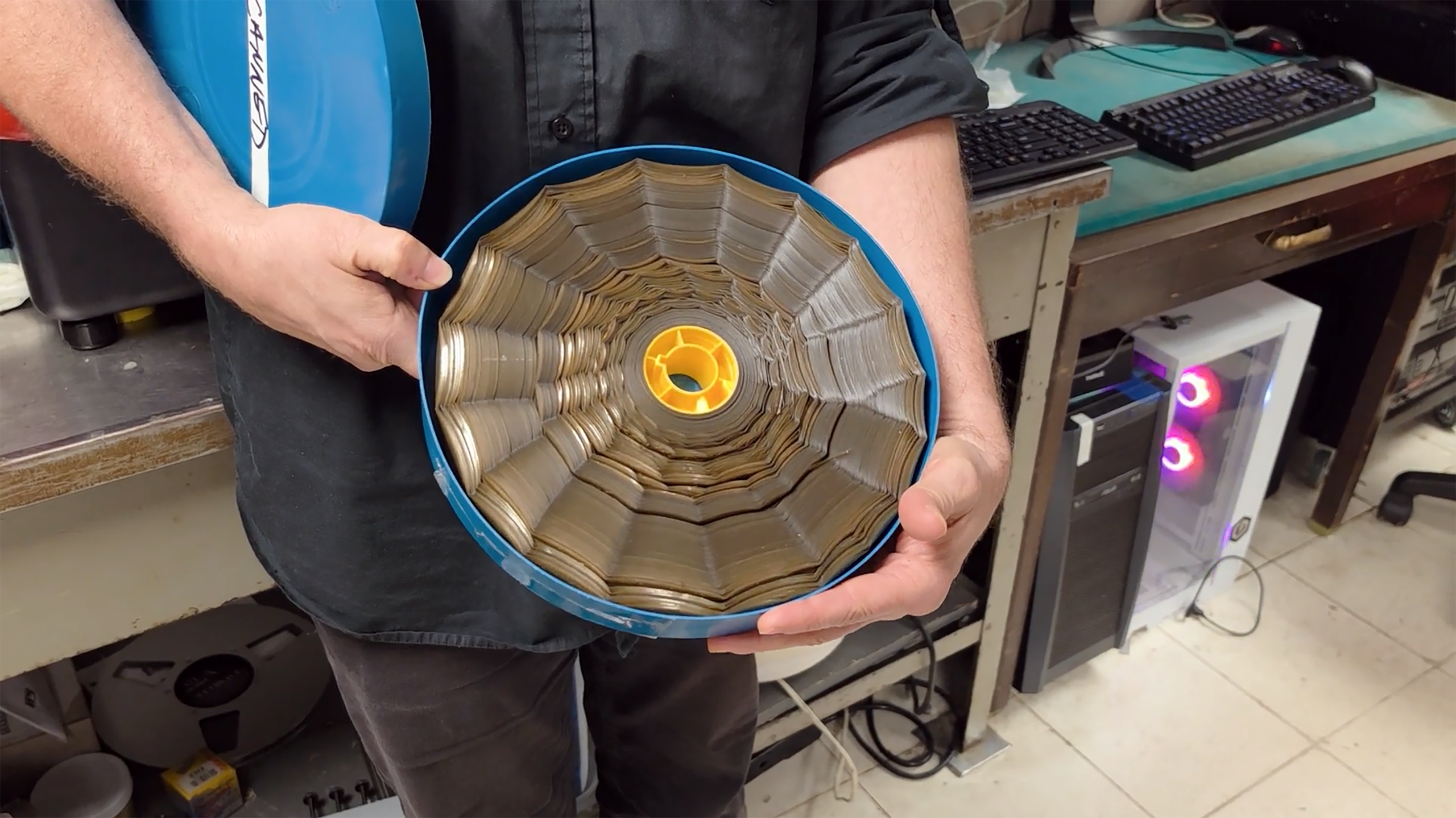
Lead archivist at ULRI confirms it does not possess a copy of the film, had long considered it lost, and would be eager to support restoration efforts.
Extensive restoration work is completed to stabilize and digitize the fragile film; some sections requiring frame-by-frame reconstruction.
A period-accurate score is commissioned to accompany the film.
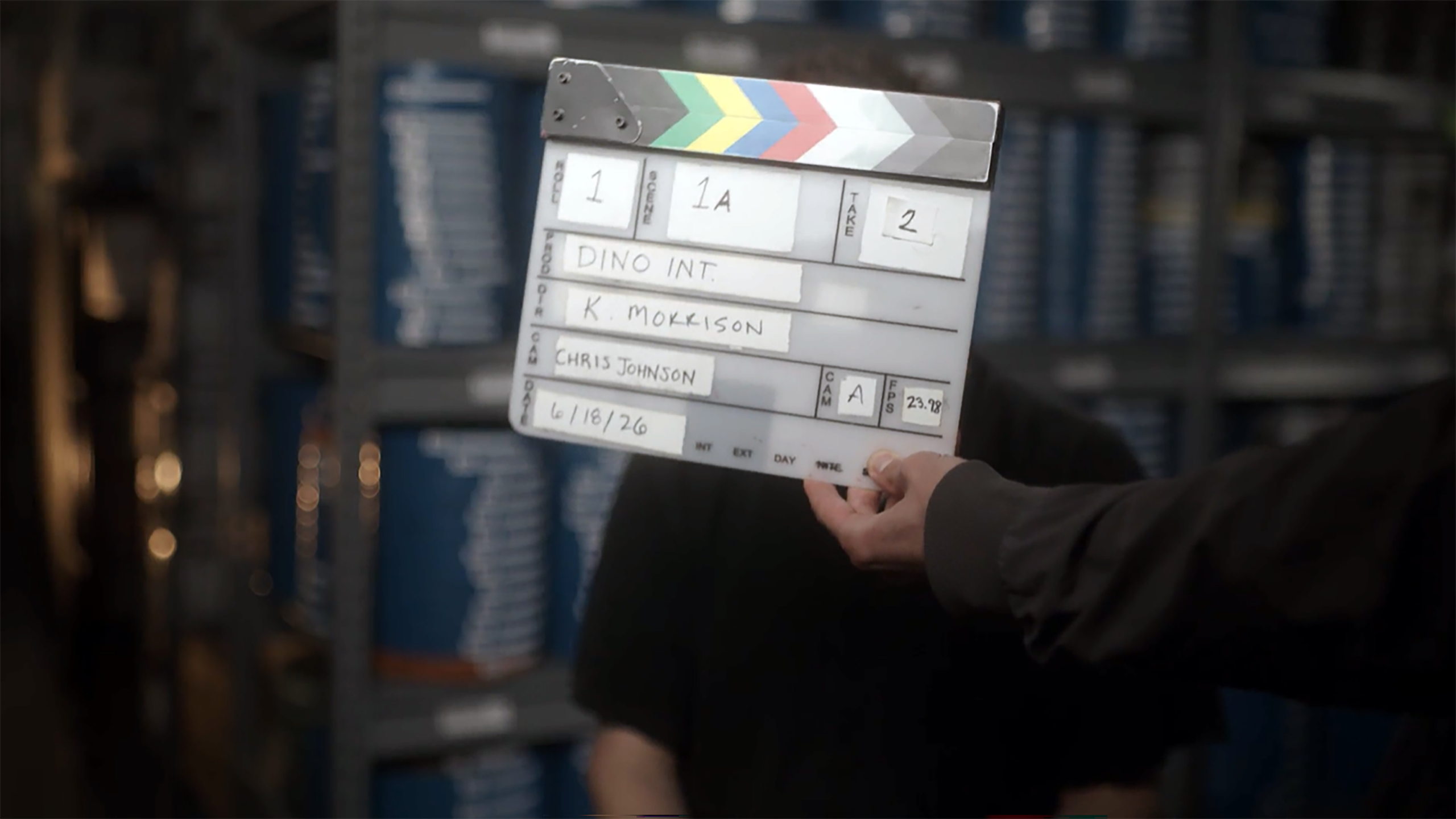
A documentary chronicling the rediscovery and restoration is produced.
Aug. 25, 2026: An Unbeliever Convinced premiered in front of a live audience for the first time in possibly 100 years at the Chicago History Museum.
Sept. 4, 2026: An Unbeliever Convinced will be screened at the 62nd Cinecon Classic Film Festival in Los Angeles.
Producer’s Statement
For more than 130 years, Underwriters Laboratories’ legacy has shaped daily life through safety research, testing, and standards. In 1917, the organization turned to an emerging communications medium—motion picture—to make fire safety visible, memorable, and urgent. The film translated technical fire-prevention guidance into a human story—one in which the cost of ignoring safety was impossible to miss.
That choice feels strikingly modern. Long before public safety campaigns became a familiar part of civic life, the organization was using storytelling, imagery, and emotion to reach audiences beyond laboratories, standards committees, and technical reports. The film’s restoration is therefore more than an archival recovery; it is an extension of the same mission that inspired its creation.
UL Research Institutes, one of three independent organizations formed out of Underwriters Laboratories, is bringing that early safety story back into public view. By restoring and re-releasing An Unbeliever Convinced, ULRI is honoring an early example of public safety storytelling, preserving a rare visual record of Chicago fire prevention history, and reconnecting today’s audiences with a century-old warning that remains relevant: safety depends not only on knowledge, but on the willingness to act before tragedy occurs.
We believe that science isn’t finished until it’s communicated. And storytelling is the way that we do that. It’s the way that we help people make sense of our science so that they know how to implement change. At the time, we were trying to reach the decision makers who were the owners of these factories. Today, we’re still using storytelling to reach the people we’re working to keep safe every day.”
Kristen Delphos
Vice President, Communications and Public Affairs
UL Research Institutes
Restoration Team

Mark Coulbourne
Head of Preservation, University Libraries, University of Maryland
Coulbourne oversees the film archive where the film was rediscovered. He facilitated preservation discussions with Nick Spark.

Nick Spark
Film Historian, President and Co-Founder, Periscope Film LLC
Spark is a film preservation advocate who alerted archivists to the film’s existence and helped catalyze the restoration partnerships.

Alan K. Akers
Head Archivist,
UL Research Institutes
Akers is the head archivist for the UL Enterprise Archives. He endorsed the restoration project and provided historical context for the film and its production.

Dino Everett
Archivist, USC HMH Foundation Moving Image Archive
Everett is a leading expert in unique film formats. He directed the restoration work that enabled the film to be digitized and preserved.

Jon C. Mirsalis
Silent Film Accompanist
Mirsalis is a long-time composer and silent film accompanist who produced the original, period-accurate score for the restored film.
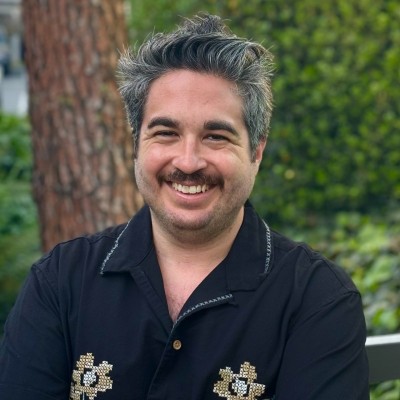
Kyle Morrison
Director, Editor
Morrison is an independent filmmaker who produced the documentary about the rediscovery and restoration project.
Photo Gallery
Jump to
PUBLISHED