UL Research Institutes’ Chemical Insights & Xplorlabs Bring Vaping Science to Metro Atlanta Schools
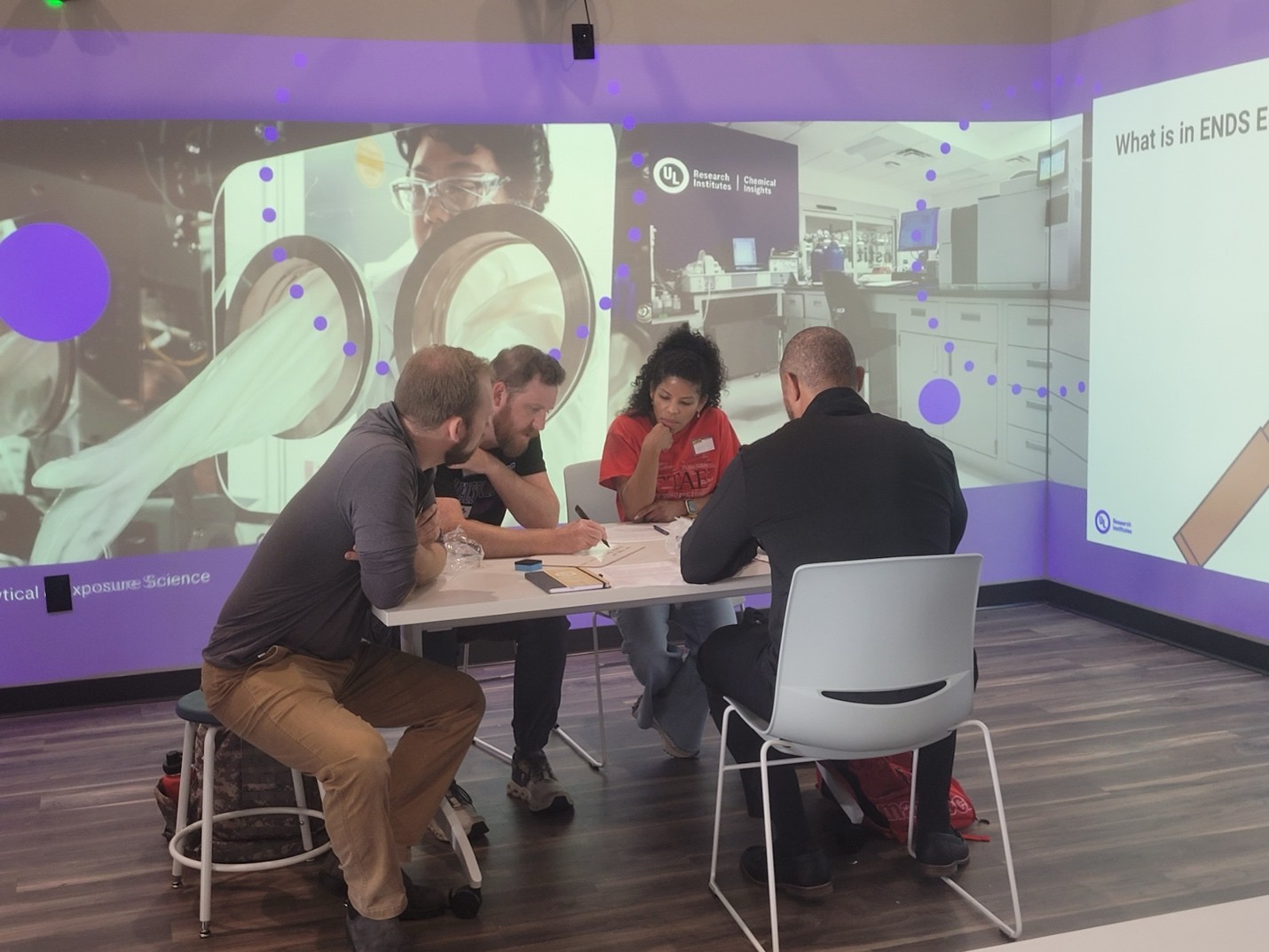
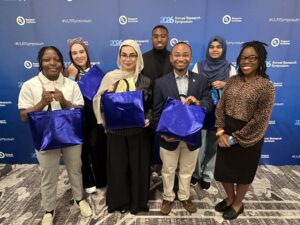
In partnership with UL Research Institutes’ Institute for Research Experiences & Education, Chemical Insights hosted a half-day externship for the Cobb County School District at ULRI’s Immersive Classroom at the Cobb County Safety Village.
This event gave teachers a hands-on look at the toxicology and exposure science research shaping what we know about vaping and equipped them with the tools to bring that knowledge to their students.
The externship was cofacilitated by Chemical Insights and the Institute for Research Experiences & Education, which included:
- Cristi Bell-Huff, Ph.D., director for partnerships and outreach, Chemical Insights
- Ethan Schubert, education and training specialist, Institute for Research Experiences & Education
- Megan O’Keeffe, educator fellowship program lead, Institute for Research Experiences & Education
- Sarah Connelly, Ph.D., education and outreach manager, Chemical Insights
- Patrick Chepaitis, M.S., senior laboratory manager, Center for Analytical & Exposure Science, Chemical Insights
- Qian Zhang, Ph.D., research scientist, Center for Analytical & Exposure Science, Chemical Insights
What we covered at the Cobb County Schools Externship
We designed the externship around four phases:
- Walking through a virtual lab tour
- Breaking down the misconceptions surrounding vaping
- Showcasing the research behind vaping
- Demonstrating science in action with an Xplorlabs hands-on investigation
Teachers left the event with real experience in scientific inquiry and why it matters within the classroom setting.
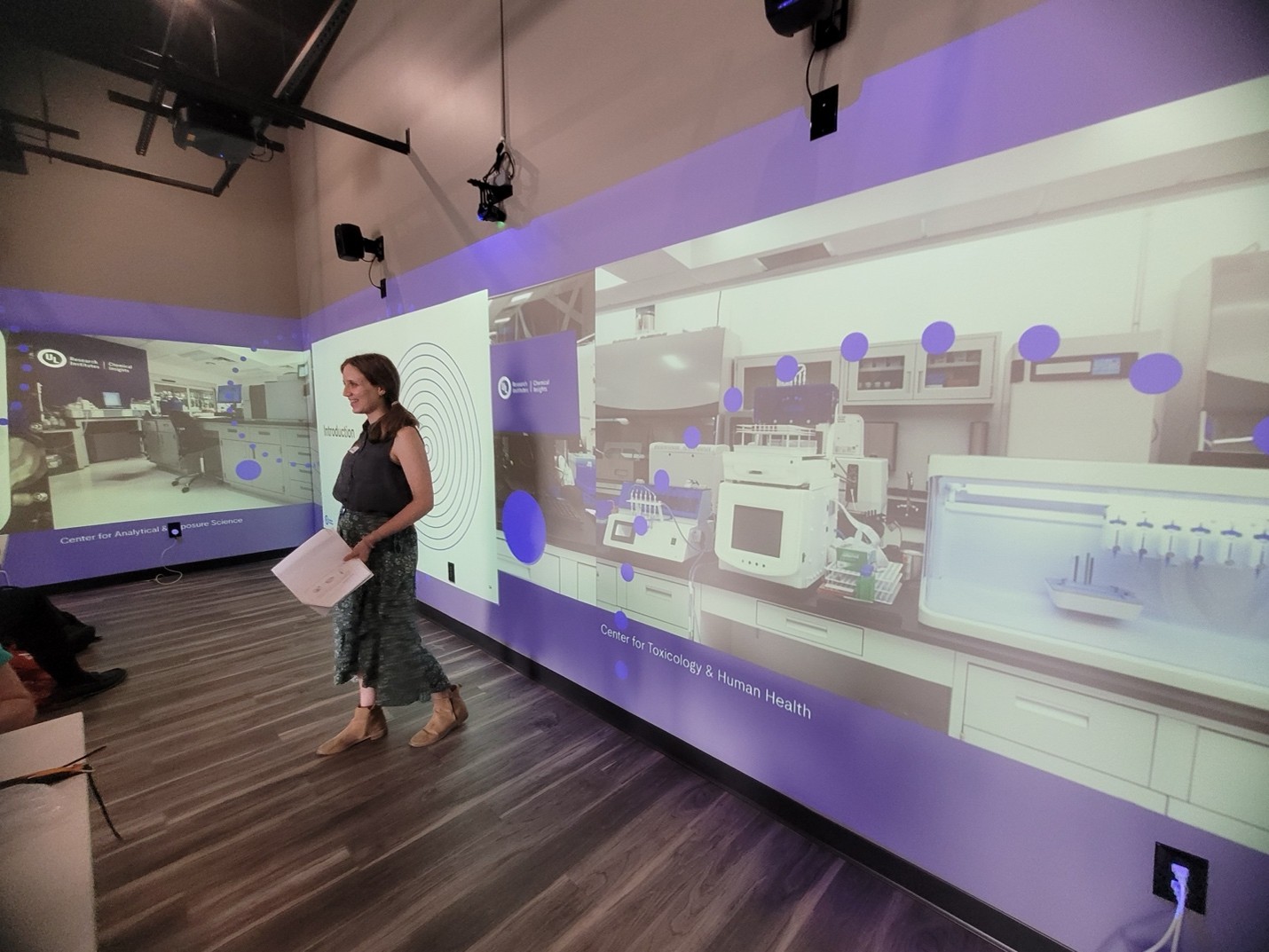
Phase 1: A virtual tour of the Chemical Insights labs
By using the technology in the ULRI Immersive Classroom, participants were able to see life-size images of Chemical Insights’ distinct labs and hear about the equipment from the researchers who use it. They received a walk-through of:
- Exposure chamber: Where we collect chemical emissions for analysis
- CAES GC-MS: A gas chromatography and mass spectrometry instrument used to identify and measure the concentration of chemicals found in samples
- Attune Flow Cytometer: A tool that helps our researchers analyze cellular response to chemical exposure
- Franz Diffusion Instrument: An instrument that assesses how chemicals go through membranes like our skin within lab-controlled conditions
- 3D printer: A machine that helps create organoids from a cellular level to their end state for toxicology testing
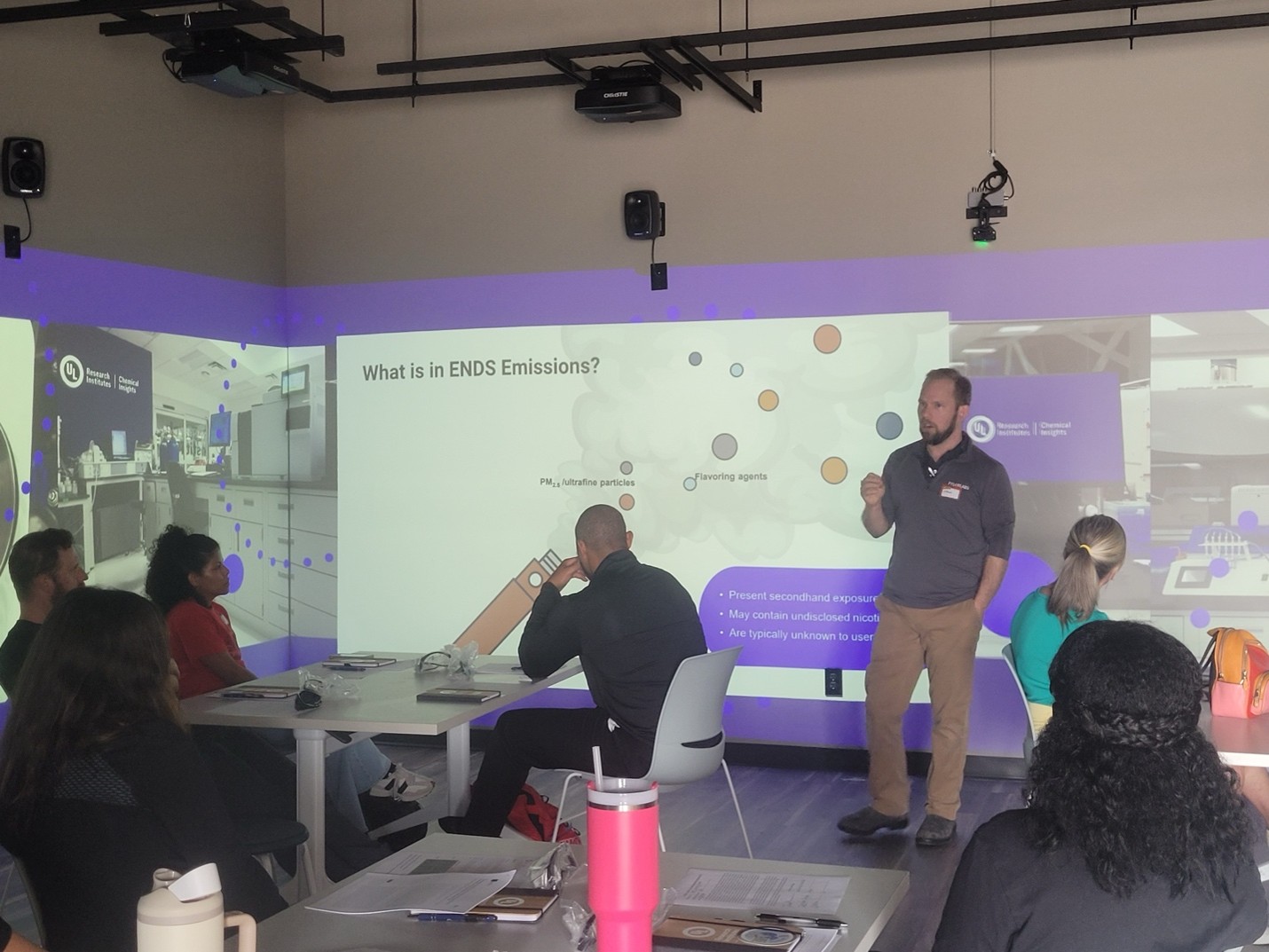
Phase 2: Breaking down misconceptions on vaping
At the event, Institute for Research Experiences & Education educators O’Keeffe and Schubert facilitated a discussion surrounding the basics such as what vaping is, how it works, the components of e-liquid, and what is in electronic nicotine delivery systems (ENDS) emissions.
One of the biggest callouts was that vape emissions are not water vapor — they’re aerosols that contain PM2.5 ultrafine particles, nicotine, flavoring agents, and heavy metals. Vaping also isn’t safer than smoking cigarettes. It’s harmful to others and the environment, and it’s addictive.
Phase 3: The research behind vaping
Chemical Insights’ researchers Zhang and Chepaitis provided a collaborative presentation with Bell-Huff and Connelly that showed educators the research process, their roles in the research, and presented a research case study that illustrated how we study the health effects of e-cigarettes and vaping aerosols.
Key areas of focus included:
- How we approach vaping science from hypothesis to findings and what the evidence tells us about health risks
- The specific testing methodologies our scientists use to measure chemical exposure and assess cellular impact
- What the data shows and where important scientific questions remain open
A closer look inside the research process
Rather than simply presenting findings, Chemical Insights’ researchers walked educators through a published study from start to finish. This gave teachers a firsthand look at how rigorous scientific inquiry works in practice.
Working with data generated directly in Chemical Insights’ labs, teachers had the opportunity to interpret real results and draw their own conclusions. The experience was designed to help educators understand the scientific process well enough to bring it back to their students.
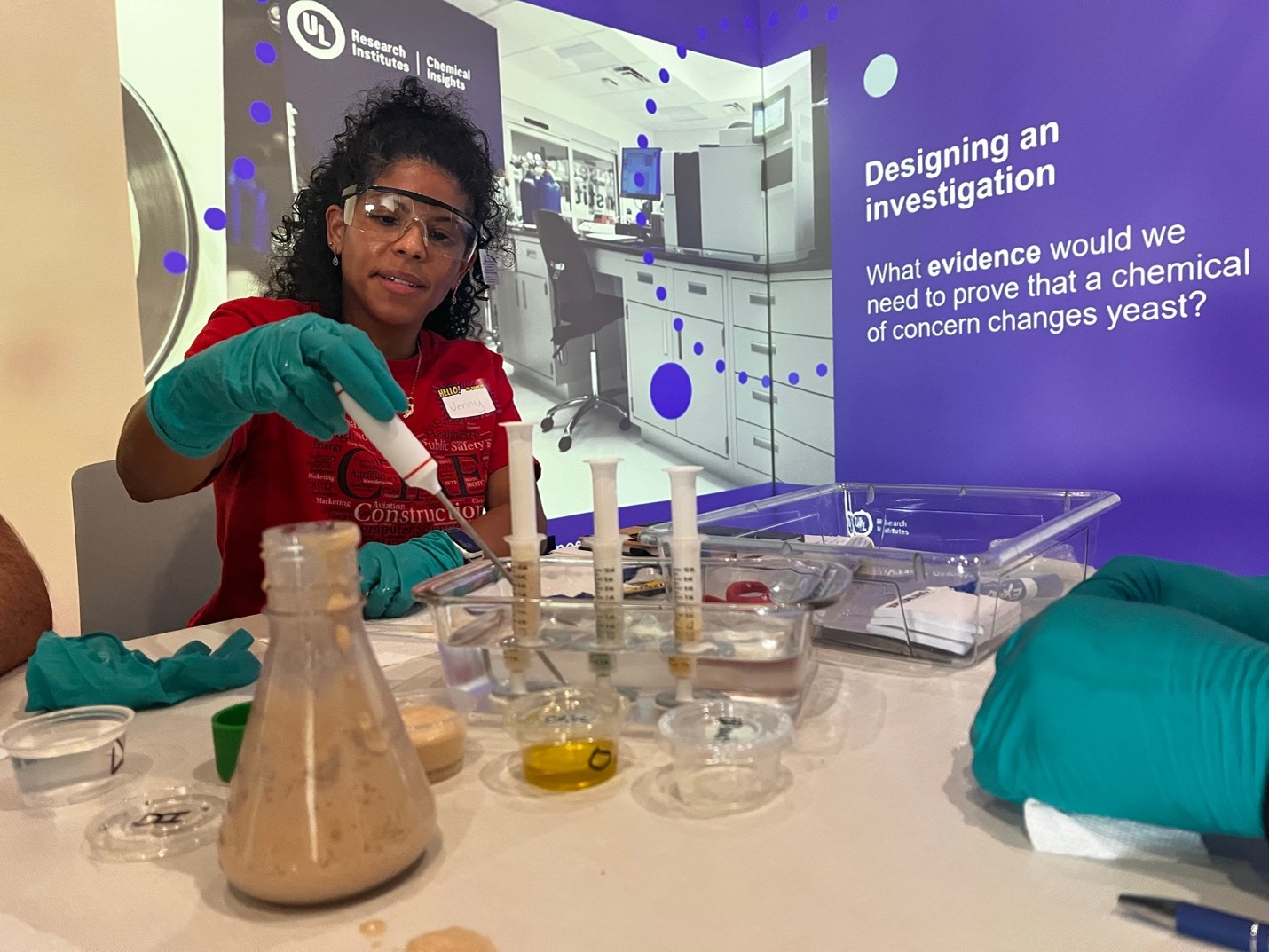
Phase 4: The yeast investigation
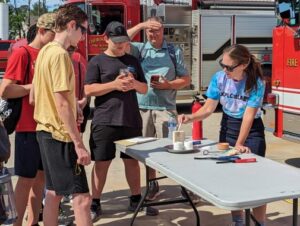
This hands-on investigation was the centerpiece of the externship and was built for educators through the collaboration of Chemical Insights and the Institute for Research Experiences & Education. Using yeast as a model organism, participants explored how harmful substances affect cellular health.
The driving question behind this investigation mirrored the same question that guides Chemical Insights’ daily work: What are the effects of chemical exposures on biological health? We also encouraged educators to think about:
- What process yeast cells use to get energy
- How toxicologists identify toxicants
- How yeast cells are affected by heavy metal exposure
- What are the signs of healthy and unhealthy yeast
Zhang and Chepaitis participated with the educators in the investigation. Both observed how chemicals of concern affected yeast. The educators also experienced how scientists move from hypothesis to evidence and how that evidence translates into public health action. They left this externship with learning resources they can adapt to their students, including how to design a scientific experiment from the ground up.
This hands-on investigation, plus additional resources cocreated the two institutes, will be posted on Xplorlabs later this year. Xplorlabs is a no-cost, safety science education platform that explores safety science phenomena such as the vaping epidemic.
Why this work matters
School nurses and educators may be the first to notice when students are struggling with vaping-related health issues. The reality is awareness isn’t enough.
What’s needed is a strong scientific foundation to support these conversations. By bringing educators inside our labs and our research process — and creating accessible classroom resources with the Institute for Research Experiences & Education — we’re working to close that gap.
Externships are part of our broader commitment to making safety science accessible, actionable, and relevant to our communities. You can get the latest findings, resources, and research updates by visiting our E-Cigarettes and Vaping page.