What Fire Safety History Teaches Us About Protecting People Today
How can people better understand fire risks and protect themselves? Fire Prevention Week offers an opportunity to explore how fire safety knowledge has developed and how people can apply it today.
Established in 1922 and nationally proclaimed by President Calvin Coolidge in 1925, it is the longest-running public health observance in the United States. Held during the week that includes Oct. 8, it commemorates the Great Chicago Fire, which began Oct. 8, 1871.
Each year, the observance helps communities better understand fire risks, prevention strategies, and escape planning.
The history behind this observance also reveals an important lesson: preventing fires requires more than responding to emergencies. As fires threatened growing cities and industrial workplaces, researchers and engineers needed to understand how fires behave, how buildings are constructed, and how scientific findings could be translated into practical safeguards.
Alan K. Akers, archivist at UL Research Institutes, explores that history in a recently published Fire Technology article. “Meet the Two Organizations that Helped Create Fire Protection Engineering and Why it Still Matters Today” traces the history of a partnership that brought a laboratory and an academic institution together more than a century ago.
The article examines the 1903 partnership between Underwriters Laboratories and Armour Institute of Technology, now Illinois Institute of Technology (Illinois Tech). It explains how the partnership helped establish fire protection engineering as a field of study and connects that history to ULRI’s continuing fire safety research mission.
Why fire safety required a new approach
Akers describes how catastrophic urban and industrial fires increased demand for a more scientific approach to prevention. Underwriters Laboratories founder William Henry Merrill Jr. recognized that engineers needed knowledge of fire behavior, building construction, insurance, and industrial processes.
This interdisciplinary view helped establish a central principle of modern fire protection: safety depends on understanding how multiple systems and conditions interact.
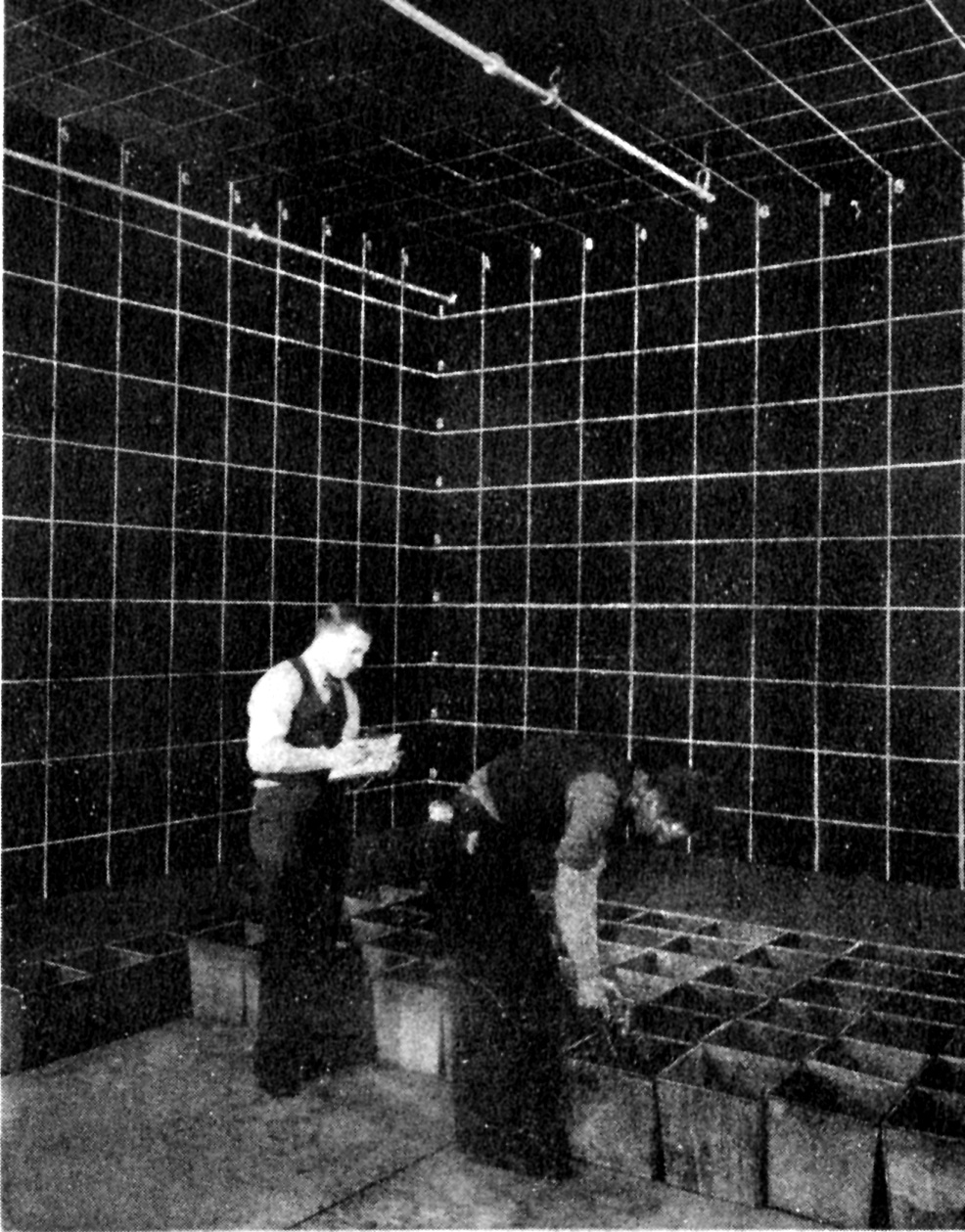
The partnership combined Armour’s academic instruction and facilities with Underwriters Laboratories’ specialized laboratories and real-world testing experience. Fitzhugh Taylor of Underwriters Laboratories helped connect the institutions and became the program’s first fire protection engineering professor in 1903.
Industry support also helped make the program possible, ensuring that the curriculum reflected the needs of the people who designed, insured, and operated buildings.
How students connected science with practice
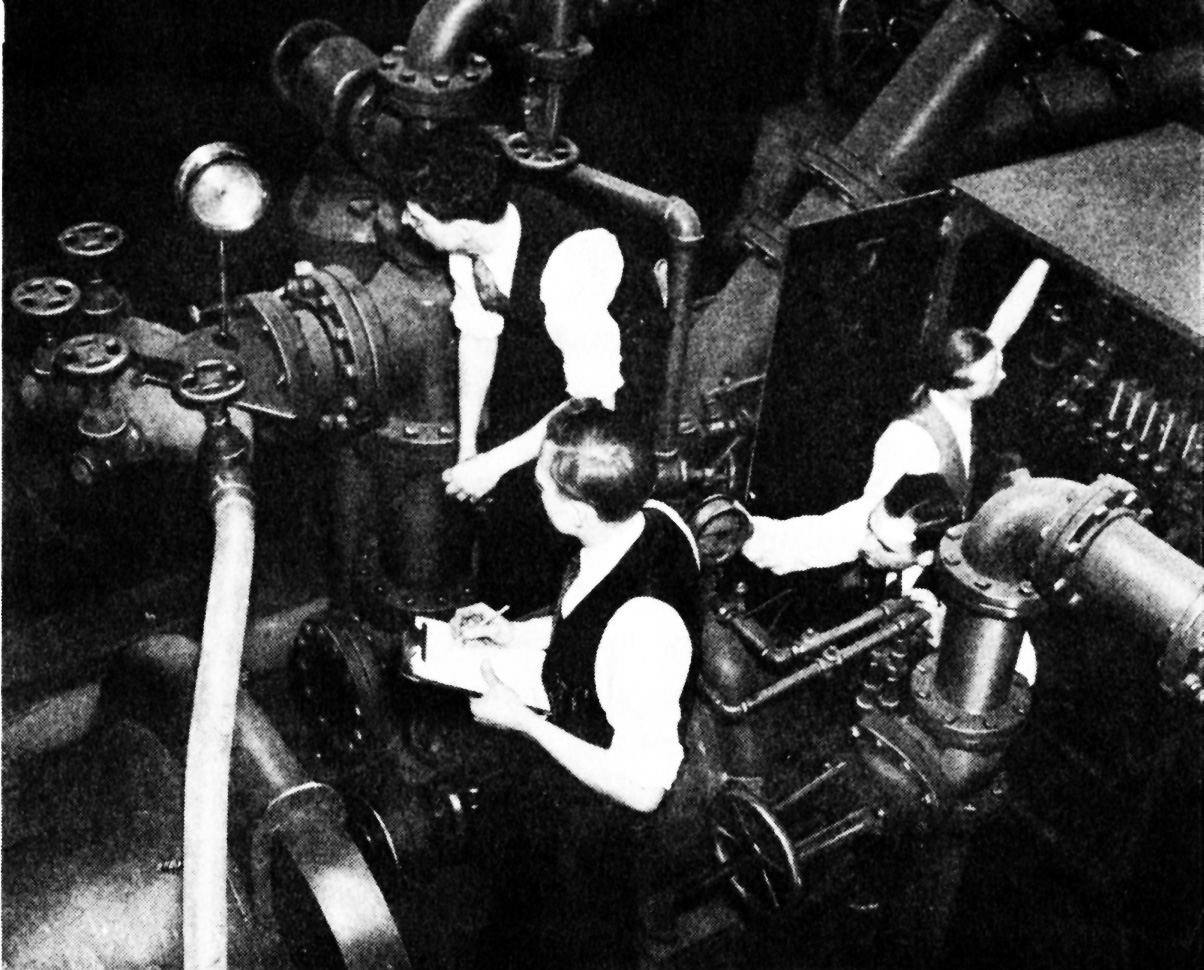
Students studied chemistry, physics, and mathematics alongside fire protection, construction, heating and ventilation, and combustion. Field visits and laboratory apprenticeships extended their education beyond the classroom.
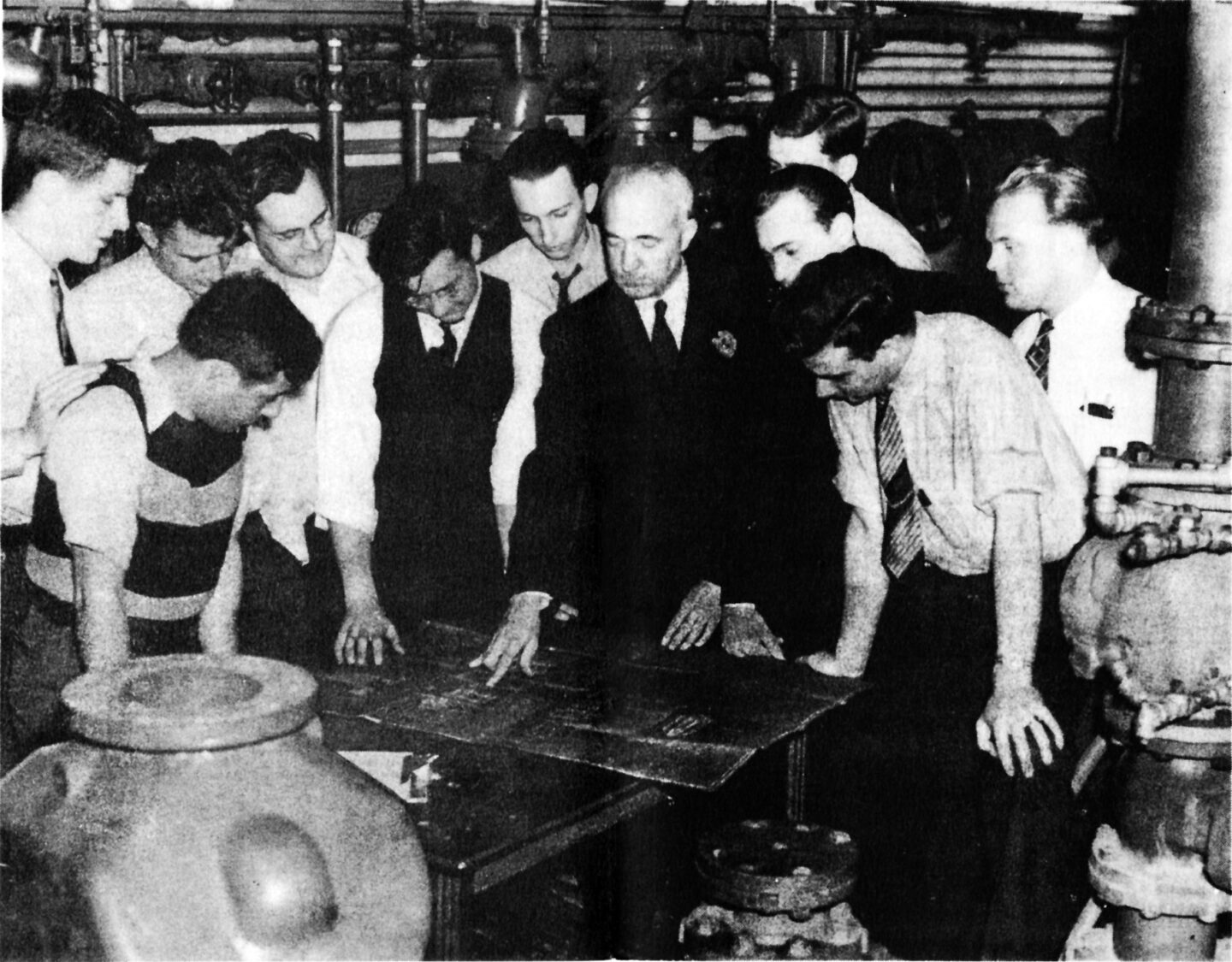
During the final two years of the program, students observed safety testing and standards development and gained hands-on experience applying scientific principles to protection decisions.
The first graduates earned B.S. degrees in fire protection engineering in 1906. Illinois Tech continued training fire protection engineers for more than eight decades before ending the program in 1985.
Its combination of academic study and practical industrial experience helped shape the modern profession and influenced the development of other programs.
How the fire safety mission continues today
This history provides context for ULRI’s work today. In 2022, the historic Underwriters Laboratories organization became three independent safety science organizations: UL Research Institutes, UL Standards & Engagement, and UL Solutions, which share a mission to work for a safer world.
ULRI no longer sponsors an academic program like the one described in the article, but it continues to advance fire safety through research.
Today, ULRI’s Fire Safety Research Institute brings together expertise from multiple disciplines and engages engineers, other professionals, policymakers, and safety advocates. Based in Columbia, Maryland, near the University of Maryland and Washington, D.C., policy centers, the institute demonstrates why varied perspectives remain essential to understanding fire safety.
Building on historic work related to conflagration, or large-scale fires, and electrification risks, ULRI produces knowledge that industry and policymakers can use as hazards evolve.
The article also shows how research informs everyday practice. Steve Kerber, vice president and executive director of the Fire Safety Research Institute, describes a shift in fire-service culture toward embracing research and science while questioning assumptions based only on field experience.
His observation illustrates an important lesson: evidence becomes more useful when the people responsible for safety examine, discuss, and apply it.
More than a look back, the article demonstrates how fire safety advances: through scientific inquiry, interdisciplinary education, testing, and collaboration with the people who put knowledge into practice. Those principles connect ULRI’s origins with its work today and continue to help people make informed decisions about fire risk and protection.
Read the full article in Fire Technology to learn more about the origins and continuing influence of fire protection engineering.
PUBLISHED