National Fire Risk Research: Integrating Fire Behavior Science With Data Science and Economics To Empower Communities
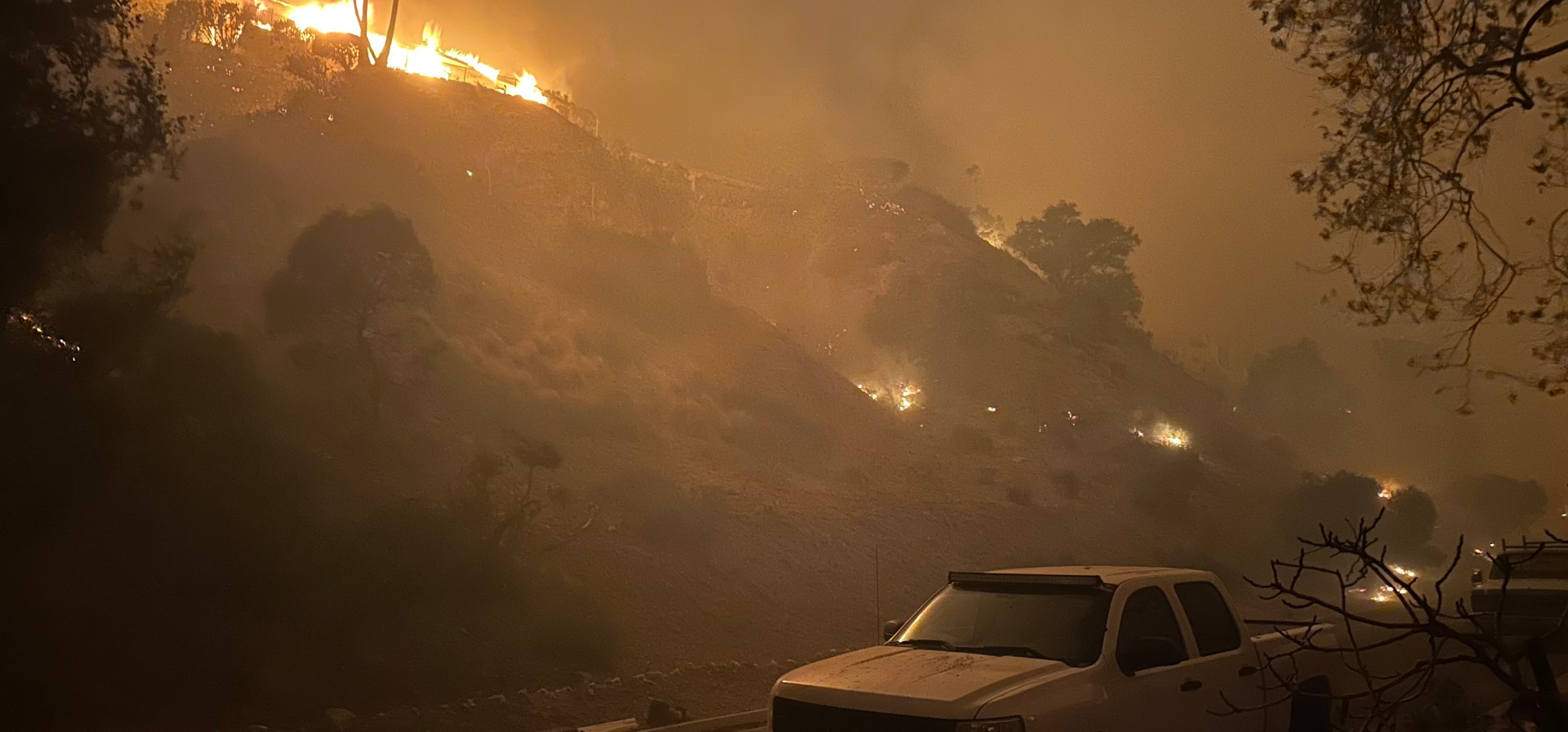
Fire remains among the most devastating threats to communities — destroying thousands of homes, causing large economic losses, and claiming lives. In 2024 alone, more than 1.2 million fires resulted in over 2,200 deaths and an estimated $144 billion in property damage, while in 2025, nearly 78,000 wildfires destroyed more than 18,000 structures. Community leaders need a consistent way to define, quantify, and predict fire risk in order to effectively invest in prevention efforts.
To address this gap, the Fire Safety Research Institute is developing a National Fire Risk Atlas with support from the DHS Science & Technology Directorate and in collaboration with FEMA’s U.S. Fire Administration. The atlas will create the first standardized, science‑informed framework for measuring fire risk at the local level, building on research in single‑structure fire risk, structure‑to‑structure fire spread, and wildland‑urban interface vulnerability. As new data and validated insights emerge, the atlas will be continuously updated and integrated into NERIS, ensuring nationwide accessibility and helping local fire and public safety agencies better anticipate threats, prioritize prevention, and make informed investments in community resilience.
PUBLISHED
Tags