Journal Articles Investigate Water System Contamination After Wildfires
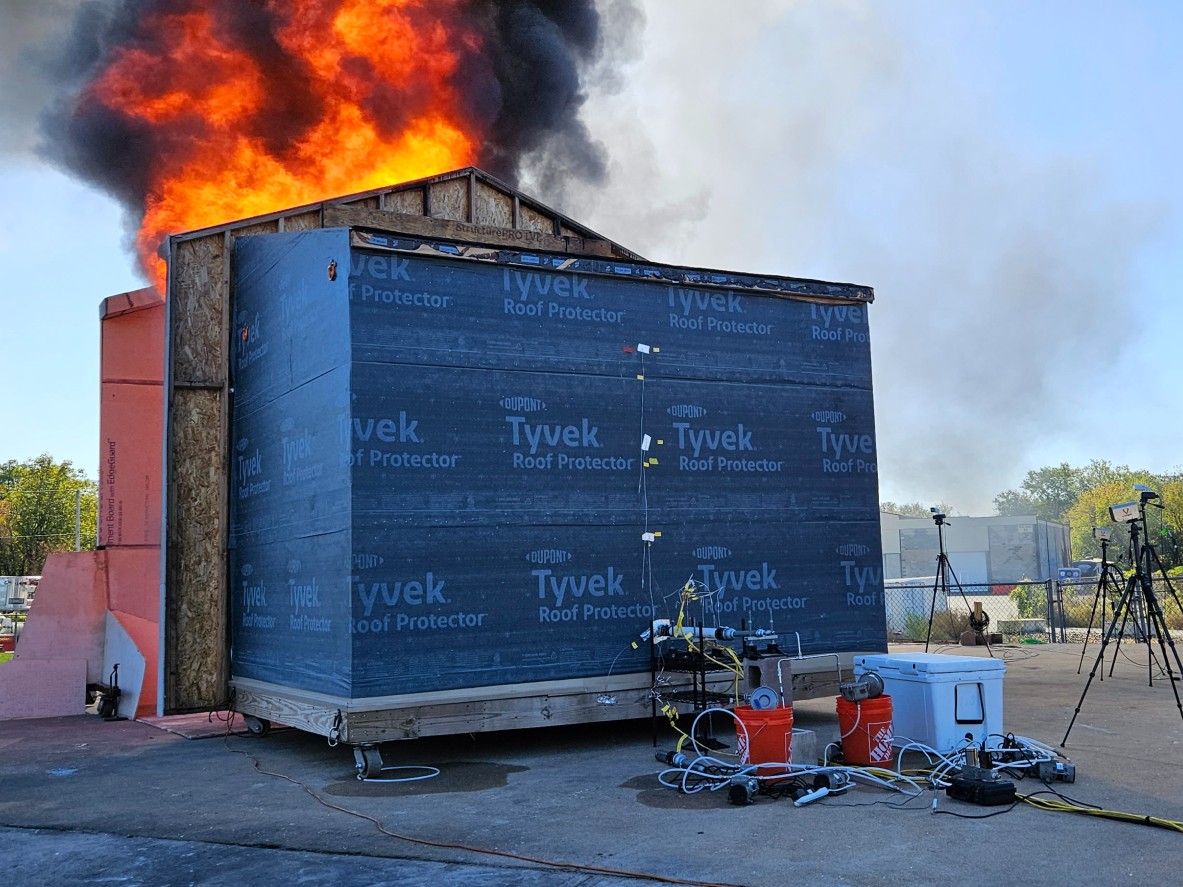
Recent large-scale wildland‑urban interface fires have raised persistent questions about drinking water contamination after communities have detected volatile organic compounds in their water distribution systems. New research by Oregon State University and the Fire Safety Research Institute investigated wildfire-induced depressurization of water distribution systems, which can allow combustion gases to be back‑siphoned into the systems, introducing VOCs without visible infrastructure damage.
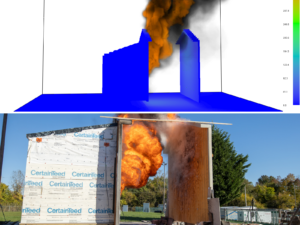
The researchers developed a methodology using a modular, instrumented vacuum test setup that enabled targeted experimentation of specific components and measurement of the system’s exposure to VOCs during a compartment fire. They then used that framework to evaluate and compare VOC contamination in polymer and metal pipes exposed to depressurization during fire experiments.
VOCs were detected across all materials, with polymer pipes generally showing higher concentrations, in some cases exceeding U.S. federal maximum contaminant levels, though metal pipes were also affected. VOC detection in all pipe samples indicated that contamination cannot be attributed solely to thermal degradation of plastics; adsorption and deposition also likely contributed. In these experiments, post-fire flushing reduced VOC levels but did not eliminate them, and subsequent stagnation increased leaching, highlighting challenges for post‑wildfire water system recovery.
PUBLISHED