
Chemical Insights
Understanding chemical exposures and human health
UL Research Institutes’ Chemical Insights conducts scientific research to better understand environmental exposures from technologies and practices, their impact on human health, and strategies to reduce risk.
Watch how our researchers are studying resin-based 3D printing technologies used in dentistry and check out more Stories of Impact from all of our research institutes. Also, explore broader research on this topic below or keep reading to learn more about our impact and specialized research centers.
Through open science, education, and collaboration, we provide actionable data to help manufacturers, educators, health care providers, and communities make informed decisions that protect public health. Our research goes beyond the laboratory and acts as a catalyst to protect the public and influence real-world change. Our peer-reviewed findings are translated into:

UL Standards and safety guidance documents

Actionable toolkits for workplaces and communities

Online education for families and individuals
Four Specialized Research Centers
Chemical Insights operates four specialized research centers equipped with state-of-the-art facilities. We bring a full suite of exposure science, computational and environmental toxicology, and analytical chemistry approaches to thoroughly investigate some of today’s most challenging environmental health issues.
Watch the video for an introduction to our research, then explore our specialized research centers, resources, and latest findings below.
The Center for Analytical & Exposure Science
The Center for Analytical & Exposure Science measures chemical emissions from consumer products, building materials, and environmental samples to understand potential exposure pathways. Our scientists use specialized exposure chambers, field sampling equipment, and advanced analytical instrumentation to identify what chemicals people may be exposed to and how those potential exposures may occur.
The Center for Chemical Informatics & Screening
The Center for Chemical Informatics & Screening develops rapid approaches to assess the human health toxicity of data-poor chemicals. Our scientists create and apply cheminformatic and bioinformatic tools as well as high-throughput screening assays to estimate safe exposure levels and identify biological processes that may be disrupted.
The Center for Scientific Computing & Data Management
The Center for Scientific Computing & Data Management integrates data from across the institute and builds digital tools to make chemical safety data collected by Chemical Insights accessible to the public. Our scientists and developers design these platforms to allow users to explore, combine, and analyze data in ways that support safety-related decisions, research, and policy development.
The Center for Toxicology & Human Health
The Center for Toxicology & Human Health uses a wide range of advanced instrumentation to assess the health risks posed by consumer products and characterize the impacts of high-risk exposure events. Our scientists also investigate the origins of disease, generating evidence needed to better understand how chemical exposures affect human health.
Chemical Insights Key Research Areas
Understanding how chemical exposures affect human health
Over 140,000 chemicals are used to make the products we use every day, but we only understand the health impact of approximately five percent.
The air inside our home, workplaces, and communities can have anywhere from 100 – 1,000 different volatile organic compounds (VOCs). Many of these are known carcinogens or can be reproductive and neurodevelopment toxins, especially affecting our most vulnerable populations. Our research helps close the awareness gap to keep you safe.

Wildfires, health, and indoor air
Today, wildfires are becoming larger and more destructive as they burn in the wildland urban interface (WUI) – where human development meets or intermixes with undeveloped wildland fuel.
Our research fills critical gaps to increase the understanding of how wildfire/WUI fire smoke and lingering residues affect indoor air quality, human health, and long-term exposure risks, which is critical for reducing harm.
3D printing safety: Measuring emissions at the source
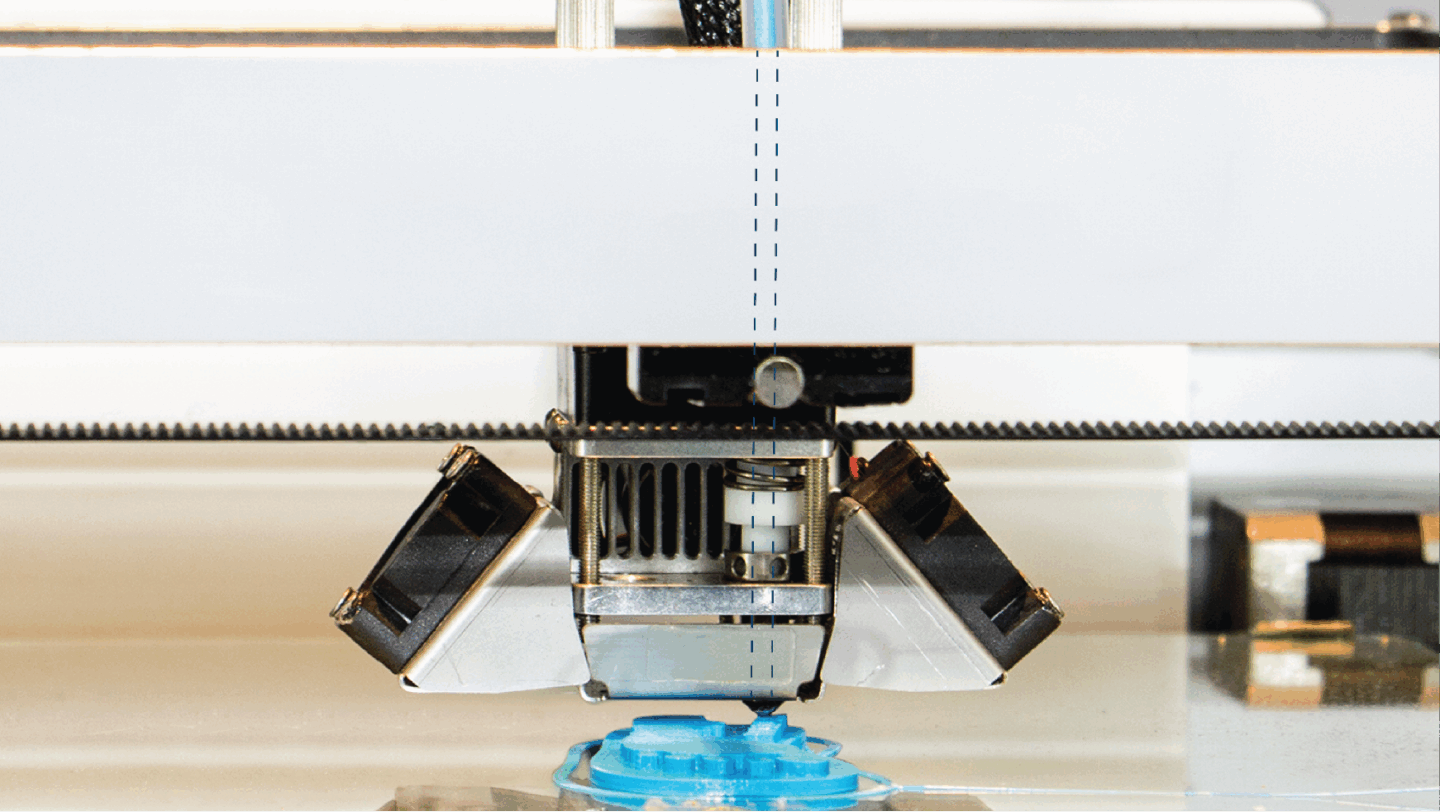
Using specialized exposure chambers, our scientists measure chemical emissions from 3D printers down to parts per trillion (ppt) to understand 3D printer safety, how 3D printer emissions/VOCs impact air quality.
Our research identified exposure hazards ranging from ultra-fine particles and VOCs from 3D printers, which lead to the creation of the CAN/ANSI/UL 2904 standard, to limit the number of hazardous VOCs that could be released from operating 3D printers. We also developed and published the UL 200B Guidance Document, which is a resource for the safe use of 3D printing in institutions of higher education.

Hidden health risks of vaping
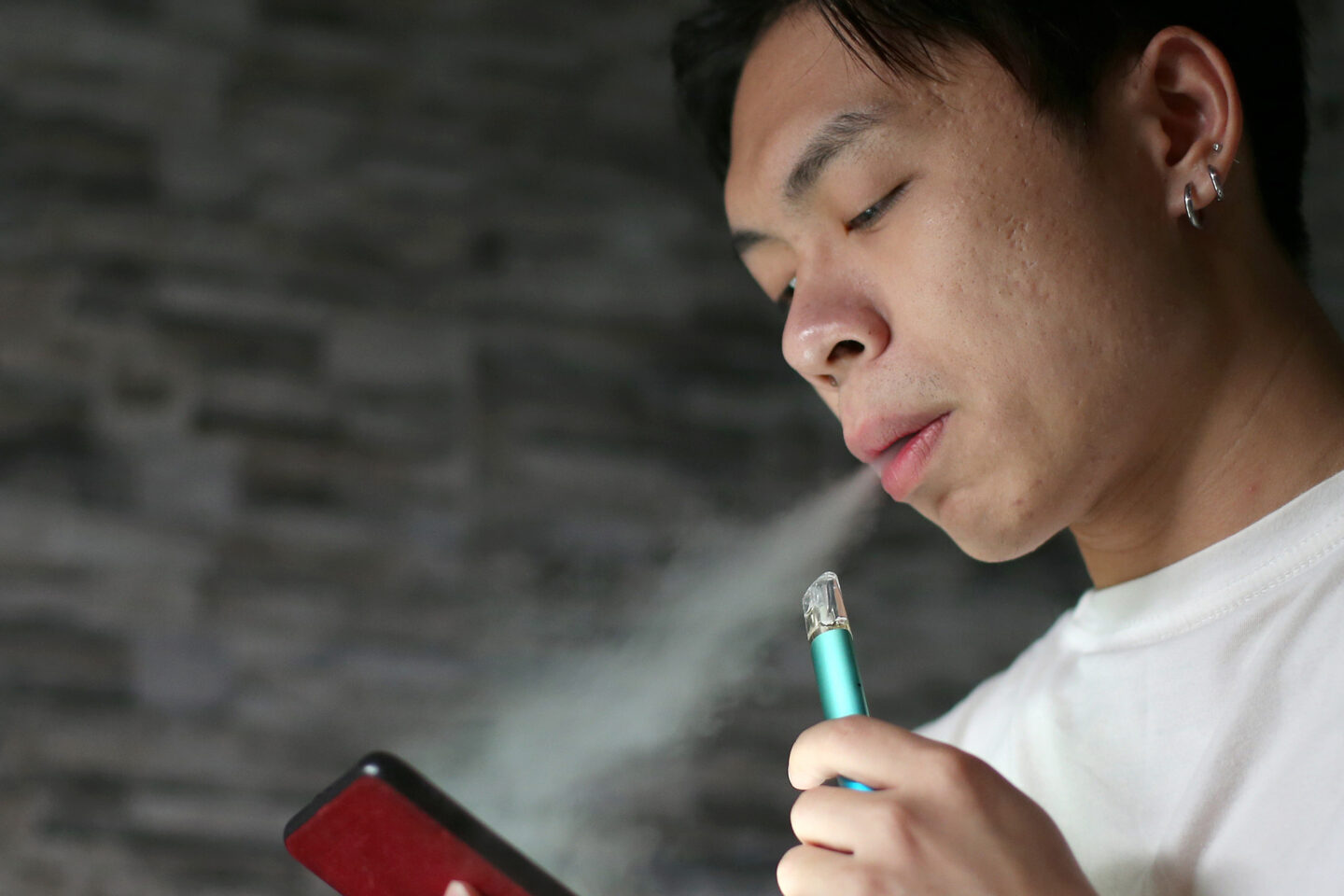
E-cigarette, vape, and electronic nicotine delivery systems (ENDS) use continues to be a concern among youth and young adults. Our research examines the lung, heart, dental, and secondhand risk factors associated with vape use.
We study the chemical emissions produced during vaping to better understand potential exposure risks and their impact on human health.
Chemical Insights
News & Featured Updates
Stay up to date on the latest news and research from Chemical Insights Research by signing up for our monthly newsletter, Spotlight.






Stay informed
Sign Up for Insights
Stay informed with the latest emerging environmental health and safety research. Sign up for Chemical Insights Research Institute’s updates to receive cutting-edge insights, expert analyses, and actionable knowledge straight to your inbox.
By submitting this form, I am opting in to receive communications from UL Research Institutes (ULRI) containing news and updates about its work and initiatives. I understand that I can manage my preferences at any time and agree to ULRI’s online policies.