ULRI-ULSE and Northwestern University Launch Sustainable Communities Grants Program
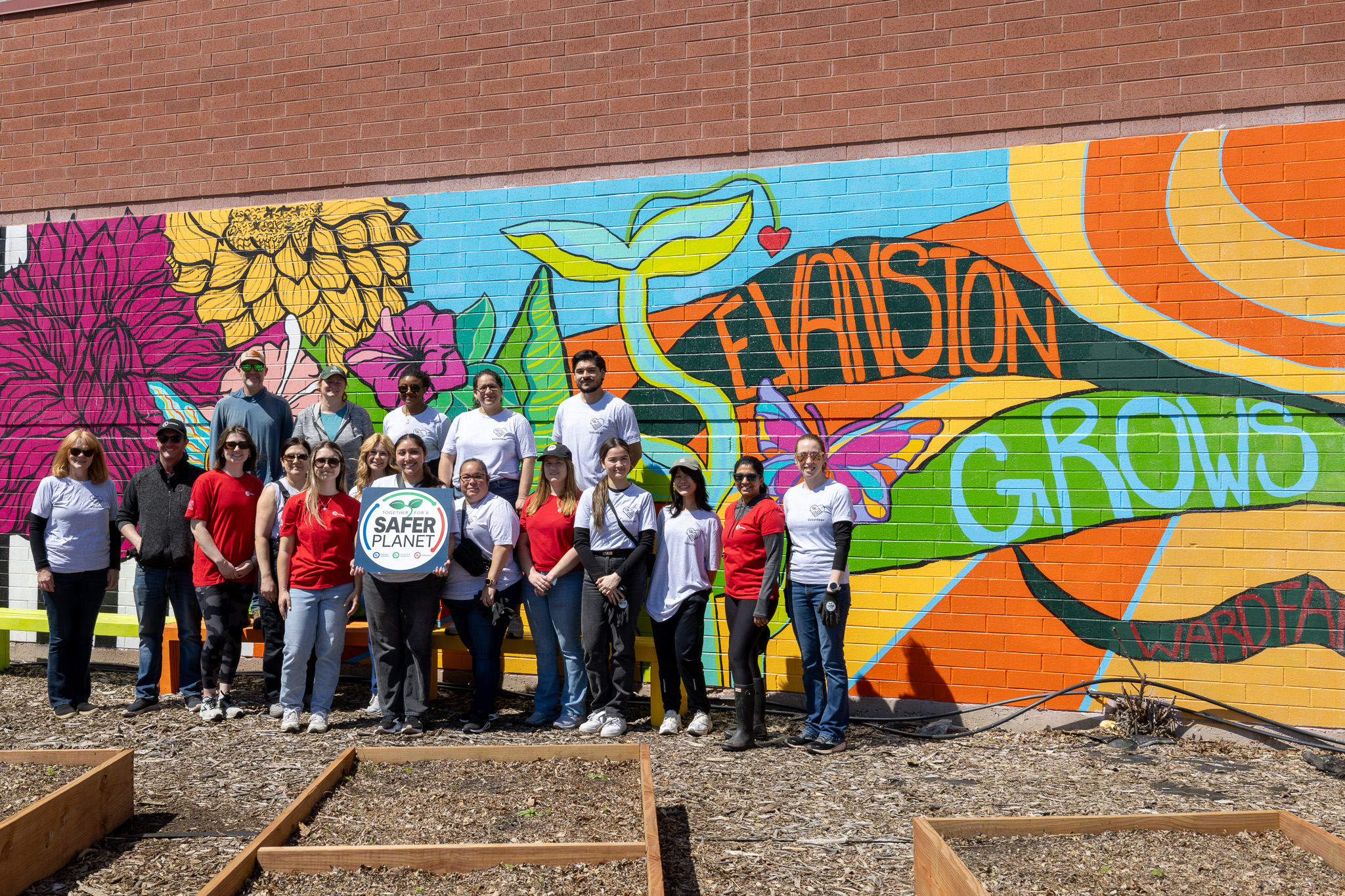
UL Research Institutes, UL Standards & Engagement, and Northwestern’s Office of Neighborhood and Community Relations are pleased to offer the Sustainable Communities Grant Program to support innovative, community-driven sustainability initiatives. The collaborative program supports community‑driven projects that advance environmental stewardship, improve resource efficiency, and strengthen local sustainability efforts. Funded projects are designed to deliver lasting benefits in Evanston and Skokie, Illinois.
The Sustainable Communities Grant Program seeks to fund projects that align with the following objectives:
- Advance sustainable practices in the Evanston and Skokie communities (e.g., energy reduction, water conservation, waste management and community food initiatives).
- Strengthen community engagement and collaboration in addressing environmental challenges.
- Support innovative, replicable solutions that can be scaled or adapted by other communities.
For the 2026–2027 grant cycle, the program will award two (2) grants of $5,000 each to eligible projects aligned with the goals of the program. Application requirements include:
- Project addresses at least one of the program objectives listed above.
- Affiliation with a nonprofit organization with a 501(c)3 designation status.
- Projects must be based in the cities of Evanston or Skokie, Illinois.
Note: This grant does not discriminate based on race, color, national origin, sex, age, disability, or other protected characteristics.
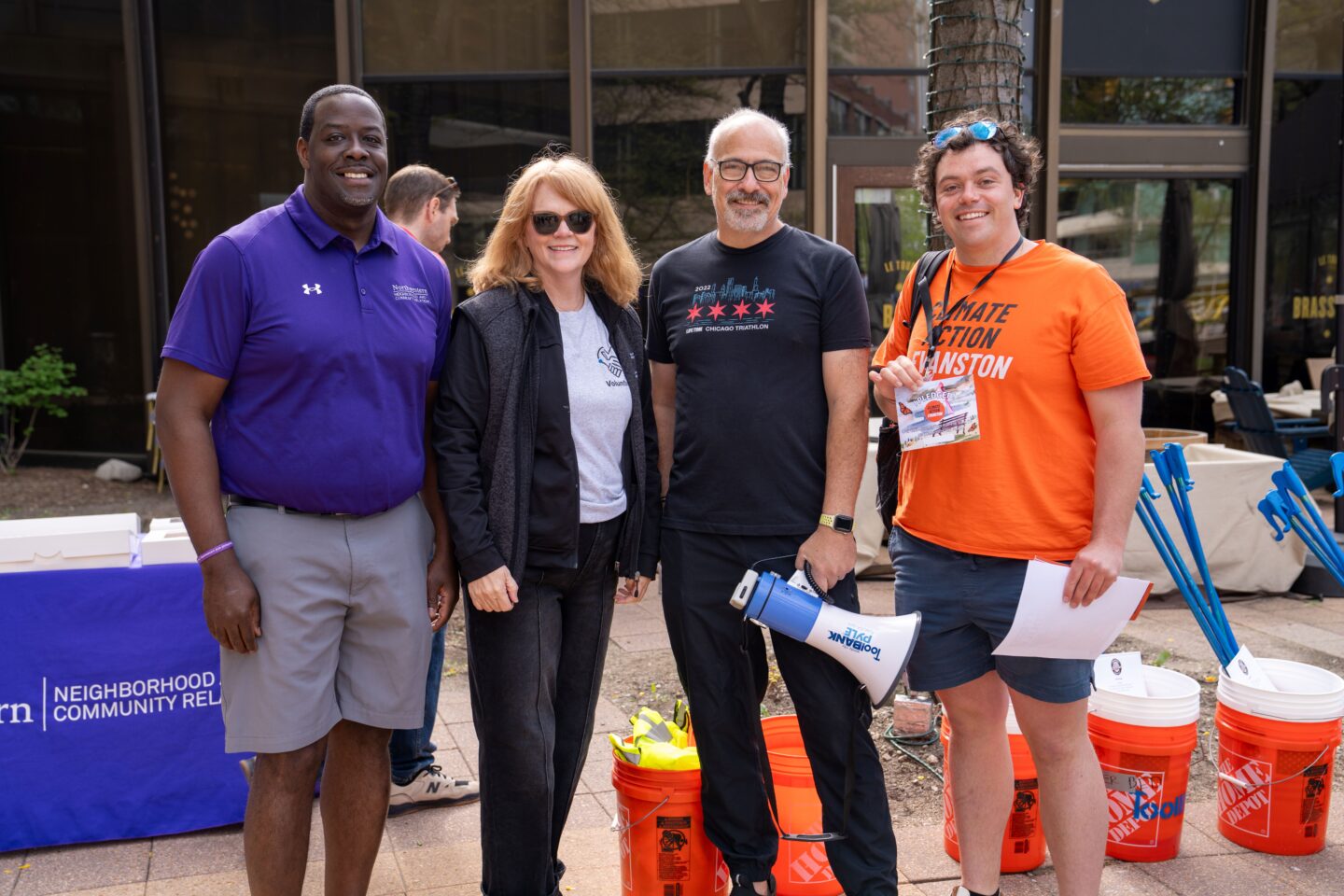
Last year, the program awarded funding to Evanston Grows and Climate Action Evanston. The two Evanston-based nonprofits each received $2,500 to support community-driven sustainability projects, with Evanston Grows expanding access to free, locally grown produce through neighborhood farm stands and Climate Action Evanston launching a youth-led initiative focused on litter reduction and environmental awareness.
“This year, the Sustainable Communities Grant Program helped Climate Action Evanston launch our new Evanston Litter League, which has already engaged over 100 volunteers and removed 300+ pounds of litter from the environment. We are excited to see the Litter League grow in impact during the 2026 season,” said Jack Jordan, executive director, Climate Action Evanston.
Laurell Sims, executive director of Evanston Grows, added the organization is “deeply grateful” for ULRI-ULSE and Northwestern University for supporting the Sustainable Communities Grant Program, which serves as “an investment in food equity that brings partners, growers, chefs, and neighbors together.”
“By expanding access to fresh, locally grown food and pairing it with chef-led cooking demonstrations, we’re helping communities build the skills and confidence to transform our locally grown vegetables into meals that sustain both health and dignity,” said Sims.
Submission and selection process
What You Need to Submit: To submit your application, please visit the online portal here. All applicants must create an account to be considered.
For all applicants, below is an overview of the information requested for grant submission:
- Organization overview: Tell us about your organization(s) and what perspectives or expertise members of the organization(s) bring to the project.
- Project description: Provide a detailed description of the proposed project. This should include its objectives, goals/outcomes, and strategies that will be executed to obtain the desired goals/outcomes.
- Project goals: What would you expect to accomplish during one year of funding? How would you define success at the end of that year? Outline the primary goals, milestones, or outcomes you aim to achieve by the end of the grant period.
- Project Impact and Success: How would you measure success toward those goals? What indicators will you use to measure progress toward your stated goals?
How it works
Grants will be selected through a single-stage process. The following are important steps and key deadlines:
- May 4, 2026: Grant applications open to the public. Grant prospects are invited to complete and submit the grant application via the application portal (link here).
- June 26, 2026, 11:59pm CST: Grant application deadline. Following the deadline, the grant committee will review applications and select two recipients to receive funding for the upcoming grant cycle.
- Week of August 3, 2026: Grantees will be announced.
- September 1, 2026, through August 31, 2027: Timeframe for the 2026-2027 grant cycle. Funds will be distributed after the grant agreement is signed. Grantees will be asked to submit interim and final reports during the grant cycle.
Questions?
If you have questions, please contact EL Da’ Sheon Nix (ncr@northwestern.edu) or Tina Vaughn (communityengagement@ul.org).
Frequently Asked Questions
What is the purpose of the Sustainable Communities Grant Program?
- The Sustainable Communities Grant Program – presented by Northwestern Office of Neighborhood and Community Relations, UL Research Institutes and UL Standards & Engagement – aims to support innovative, community-driven sustainability initiatives. The grant program is designed to support nonprofit organizations working to advance sustainable practices and advance community engagement in addressing environmental challenges in Evanston and Skokie, Illinois.
Who is eligible to apply for the Sustainable Communities Grant Program?
- Nonprofit organizations with a 501(c)3 designation status are encouraged to apply for the grant. Additionally, applicant projects must address at least one of the program’s objectives and be based in the cities of Evanston or Skokie, Illinois.
How do I apply for the grant?
- To submit your application, please visit the online portal here. All applicants will need to create an account to submit. Submission details will include an overview of your organization and project, including goals, impact and success metrics.
What types of projects will be funded?
- Grant recipients of the Sustainable Communities Grant Program will include projects that advance sustainable practices and foster community engagement and collaboration in addressing environmental challenges in the Evanston and Skokie communities. These projects will also encourage innovation and replicable solutions that can be scaled or adapted by other communities.
When is the application deadline?
- All applications must be submitted to the online portal by June 26, 2026, at 11:59pm CST. Following the deadline, the grant committee will review applications and select two recipients to receive funding for the upcoming grant cycle.
How much funding will be available?
- For the 2026–2027 grant cycle, the program will award two (2) grants of $5,000 each to eligible projects aligned with the goals of the program.
Am I able to edit my application once submitted?
- An applicant cannot edit their application after it has been submitted. If an issue occurs, such as an application component requiring an update, please contact EL Da’ Sheon Nix (ncr@northwestern.edu) or Tina Vaughn (communityengagement@ul.org).
When will recipients be announced?
- Grant recipients will be announced during the week of August 3, 2026, and recipients will be notified via email/phone.
When does the grant cycle start?
- The grant cycle start date is September 1, 2026, and will run through August 31, 2027. Funds will be distributed after the grant agreement is signed. Grantees will be asked to submit interim and final reports during the grant cycle.
What can grant funds be used for?
- Grant funds may be used for projects that advance sustainable practices and foster community engagement and collaboration in addressing environmental challenges in the Evanston and Skokie communities.
Who can I contact if I have questions?
- If you have questions, please direct all inquiries to EL Da’ Sheon Nix (ncr@northwestern.edu) or Tina Vaughn (communityengagement@ul.org).