Women Powering the Energy Transition
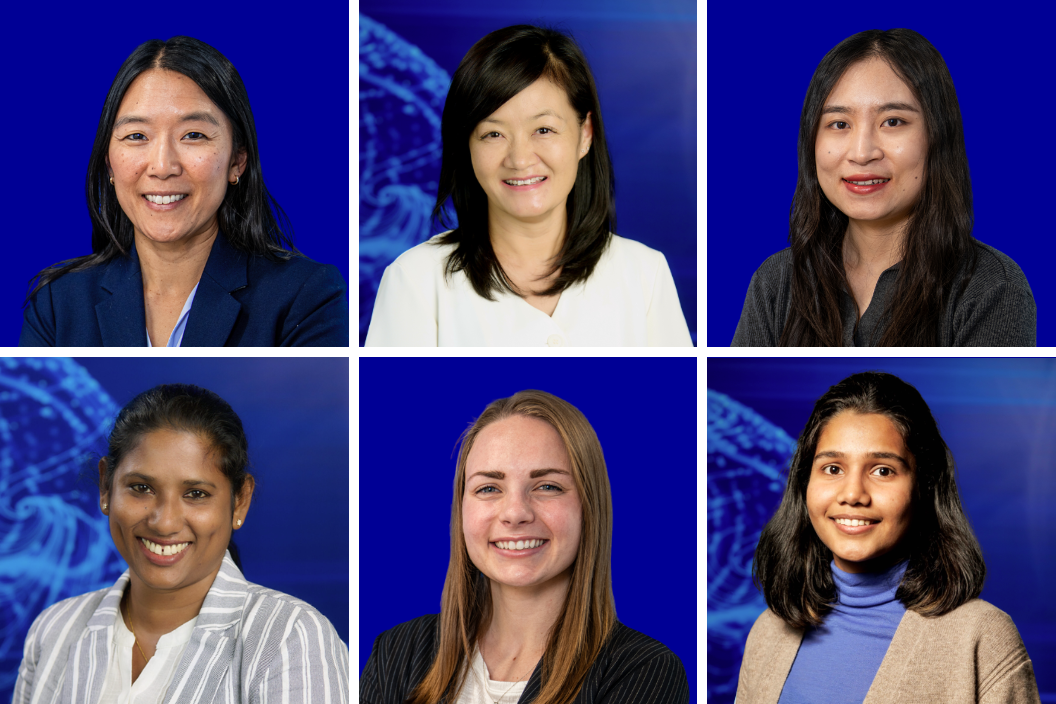
How women researchers at ULRI are advancing safer, more reliable clean energy systems
Global energy demand is rising fast.
AI-driven data centers and the rapid growth of the electric vehicle market are just two factors contributing to a projected 78% growth in energy demand over the next two decades.
Without proper planning or research, increased demand could quickly lead to decreased reliability, affordability, and safety. Fortunately, alternative energy technologies and energy storage solutions already exist that can address these challenges.
And at UL Research Institutes, scientists and engineers are researching how to make these energy advancements more economical and safer — for both consumers and the planet. We interviewed some of our women scientists and engineers to see how their unique perspectives are driving forward a safer, sustainable energy transition for all.
Bringing clean energy technologies to market
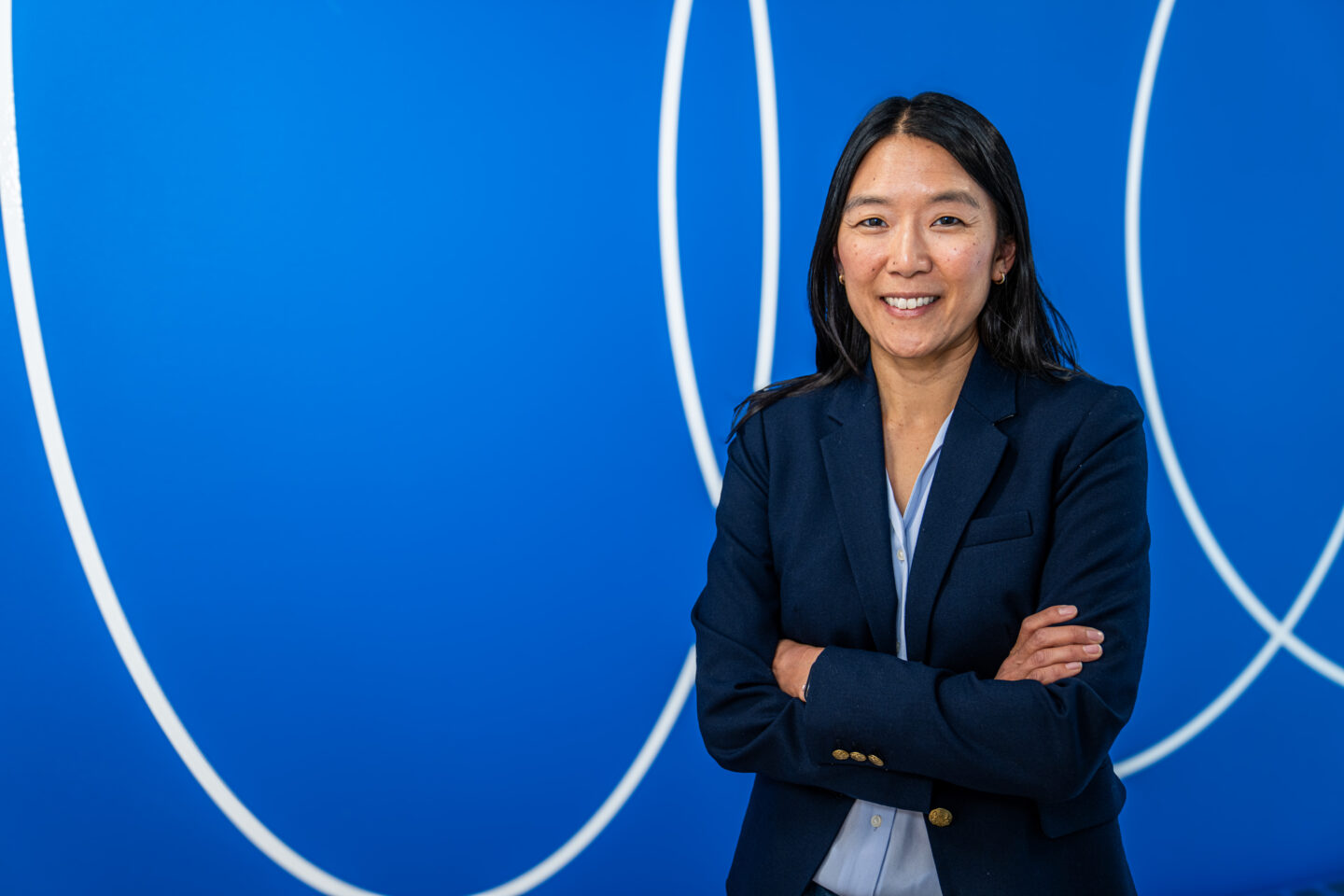
Sara Williams
Director of Engineering, ULRI’s Materials Discovery Research Institute
Sara Williams is helping drive the clean energy transition through her work at the Materials Discovery lab, where scientists research and develop materials with the goal of decreasing costs associated with renewable energy generation and storage. Williams is building the engineering department, which focuses on translating the lab’s scientific discoveries into functional prototypes and scalable solutions for global health, safety and sustainability challenges.
Williams aspires to help people in challenging circumstances and conditions have better lives through access to reliable clean energy. She said enabling them to live healthier and safer lives through the institute’s research drives her work.
What value does your unique perspective add to the “energy” conversation?
Having spent my previous career working in the energy and chemical industries, I understand what companies often look for when selecting a new technology. I apply that perspective to how we develop solutions and prove our materials work, to expedite their adoption and the impact we make.
What has been the toughest professional roadblock you’ve had to overcome?
Earlier in my career, I struggled with setting clear boundaries. I was hesitant to say “no” or to ask for help because I didn’t want to inconvenience others. As a result, I overcommitted myself and was stretched too thin across projects, which negatively impacted my work–life balance. Over time, I realized the importance of setting clear priorities, open communication, and enabling others. It has allowed me to maintain a healthier balance and focus on the highest-impact work.
What are you reading, watching or listening to in your free time? Does it relate to your work?
To help prepare for building our lab’s engineering department and team, I have been reading and listening to audiobooks on leadership — most recently the “Extreme Ownership” book series by Jocko Willink and Leif Babin. They’re two former Navy SEALs who outline key principles of leadership in an engaging and surprisingly relatable way.
Education: University of Wisconsin-Madison, B.S., chemical engineering
Advocating for battery safety and circularity
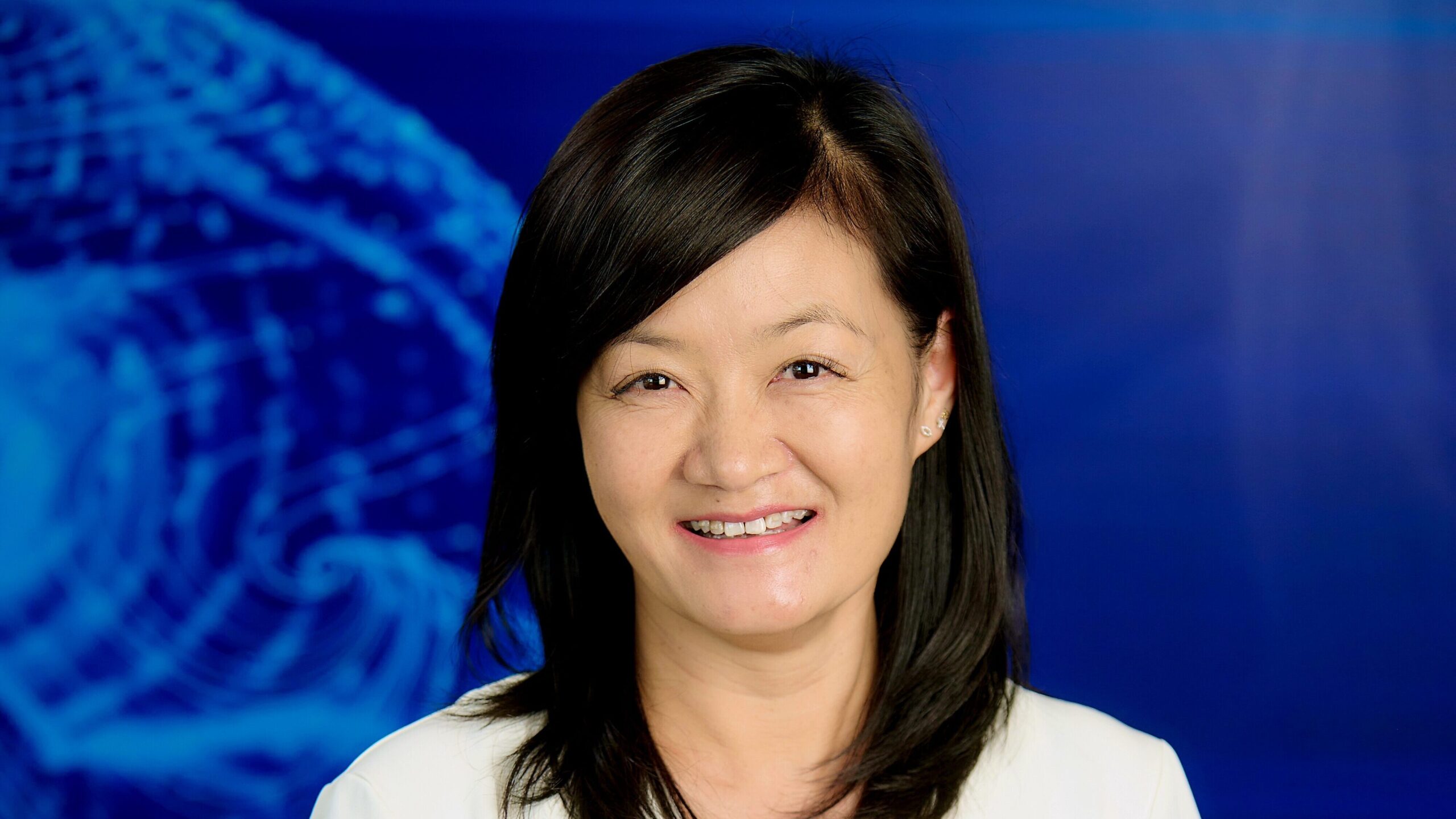
Migo Szeman Ng, Ph.D.
Lead Research Scientist II, ULRI’s Electrochemical Safety Research Institute
Migo Szeman Ng conducts research on advanced battery technologies and lithium-ion battery recycling, both of which are essential to renewable energy. While improving the electrochemical performance of batteries is important for a clean energy transition, her perspective is that the energy conversation extends beyond deployment. Ng said battery circularity and end-of-life considerations are equally important for ensuring safety, sustainability, and resource security.
She aims to inform industry sustainability standards that account for environmental contamination and carbon emissions throughout the lifecycle of energy technologies.
What value does your unique perspective add to the “energy” conversation?
Leveraging my prior experience in advanced battery technology industries, I focus on bridging fundamental chemistry with manufacturable energy systems. I believe my unique perspective lies in my ability to consistently link innovation with safety, scalability, and real-world deployment throughout the entire lifecycle of energy technologies.
What about the future of energy science gives you hope?
What gives me hope is collaboration among the scientific community, which includes innovative researchers, engineers, and international policymakers. We are increasingly working together to address global climate challenges and sustainable development. This collaboration makes me feel that our safety science mission is not alone but is part of a greater global effort.
How do you give back to the next generation of scientists?
My primary objective is to serve as a public and technical point of contact, helping to translate safety science for the next generation. During my time as an adjunct chemistry professor at various community colleges, I noticed that many underrepresented young students and aspiring scientists struggle to envision their future. I made it a priority to encourage them to remain persistent, emphasizing that ethical responsibilities matter and that their hard work can shape the future of science.
Education: University of California, Irvine, Ph.D., chemistry
Taking a data-driven approach to energy innovation
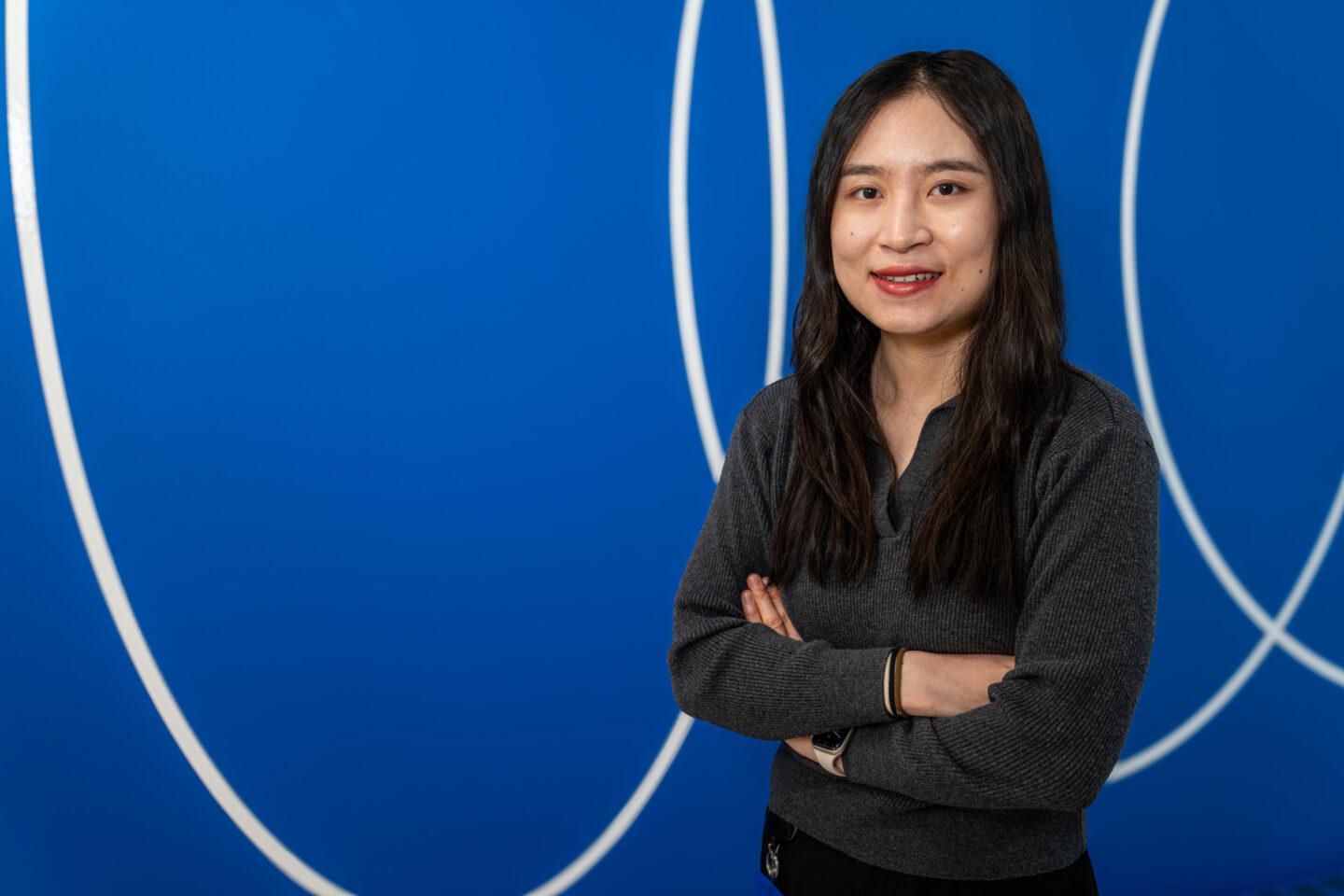
Yidi Shen, Ph.D.
Research Scientist II, ULRI’s Materials Discovery Research Institute
Yidi Shen is a research scientist using computational modeling and AI to design catalysts for clean energy technologies and a sustainable hydrogen economy. More specifically, her work predicts a material’s stability, reactivity, and degradation — helping to identify safer and more reliable energy systems before they are widely deployed. By combining high-throughput computing with data-driven insights, she aims to accelerate materials discovery and enhance collaboration across the research community.
Shen cares deeply about leaving a healthier world for the next generation. She said knowing her work can contribute, even in a small way, to cleaner air, safer technologies and long-term environmental protection gives her research real meaning.
What value does your unique perspective add to the “energy” conversation?
As a computational materials scientist, I approach energy challenges from a predictive and data-driven perspective. I enjoy connecting fundamental science with practical applications, and I am especially motivated by how digital tools can speed up innovation while reducing unnecessary waste and experimentation.
What about the future of energy science gives you hope?
What gives me hope is how quickly AI and advanced modeling are transforming energy research. We can now explore vast material spaces virtually and guide experiments more intelligently, which means we are accelerating progress toward cleaner energy solutions faster than ever before.
What are you reading, watching or listening to in your free time?
I enjoy reading about advances in AI and materials science, and I also love science fiction films that imagine future energy systems and technological possibilities. They inspire me to think creatively about how today’s research can help build a safer, cleaner world for the next generation.
Education: Iowa State University, Ph.D., materials science and engineering
Building trust into battery design
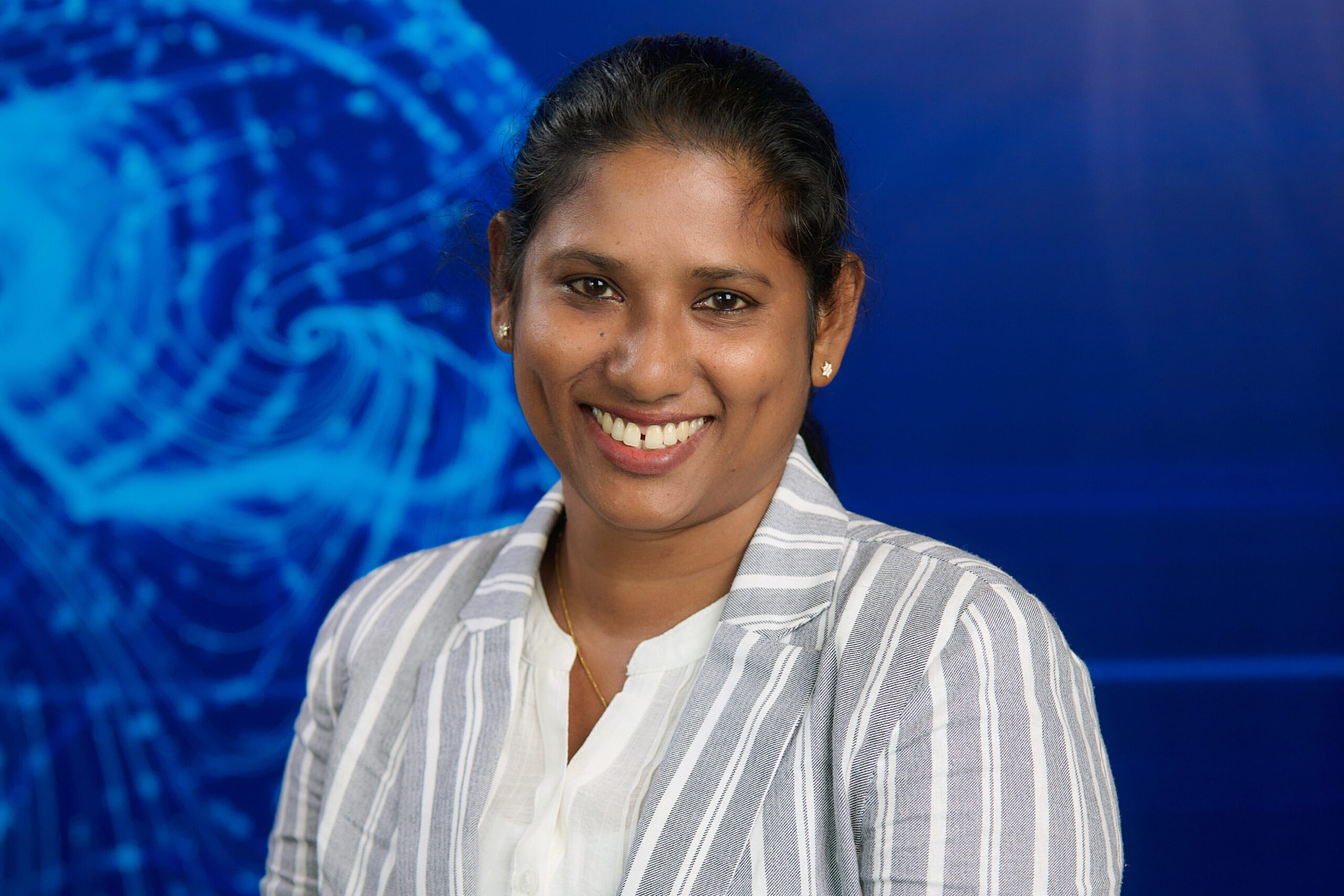
Bicy Kottathodi, Ph.D.
Research Scientist II, ULRI’s Electrochemical Safety Research Institute
Bicy Kottathodi is a research scientist working to uncover and prevent performance risks in solid-state batteries. She is also helping develop new materials and designs for safer, next generation sodium-ion batteries that can potentially be manufactured at scale. Her work has the potential to improve the reliability of energy storage systems that power clean energy innovations like electric vehicles.
The rapid rate at which battery and clean energy technologies are improving gives Kottathodi hope. She said even small advances can make a real difference. Just knowing that safer battery technology in electric vehicles can help to reduce CO₂ emissions makes her believe she can help create a better future.
What value does your unique perspective add to the “energy” conversation?
As a scientist working at the interface of materials and safety, I bring a perspective that balances innovation with responsibility. I can explain how new technologies work and also how they can be used safely to benefit society and the planet.
Why does safety research matter to you?
Safety research matters to me because I want people to be able to trust the batteries they use every day.
Who inspires you the most when it comes to your work? Why?
In my workplace, I am especially motivated by our institute’s vice president and executive director, Judy Jeevarajan, Ph.D. Her leadership in battery safety and her passion for advancing the field make me proud and encourage me to keep pushing forward in my own work.
Education: Mahatma Gandhi University, Ph.D., chemistry
Centering materials discovery on safety
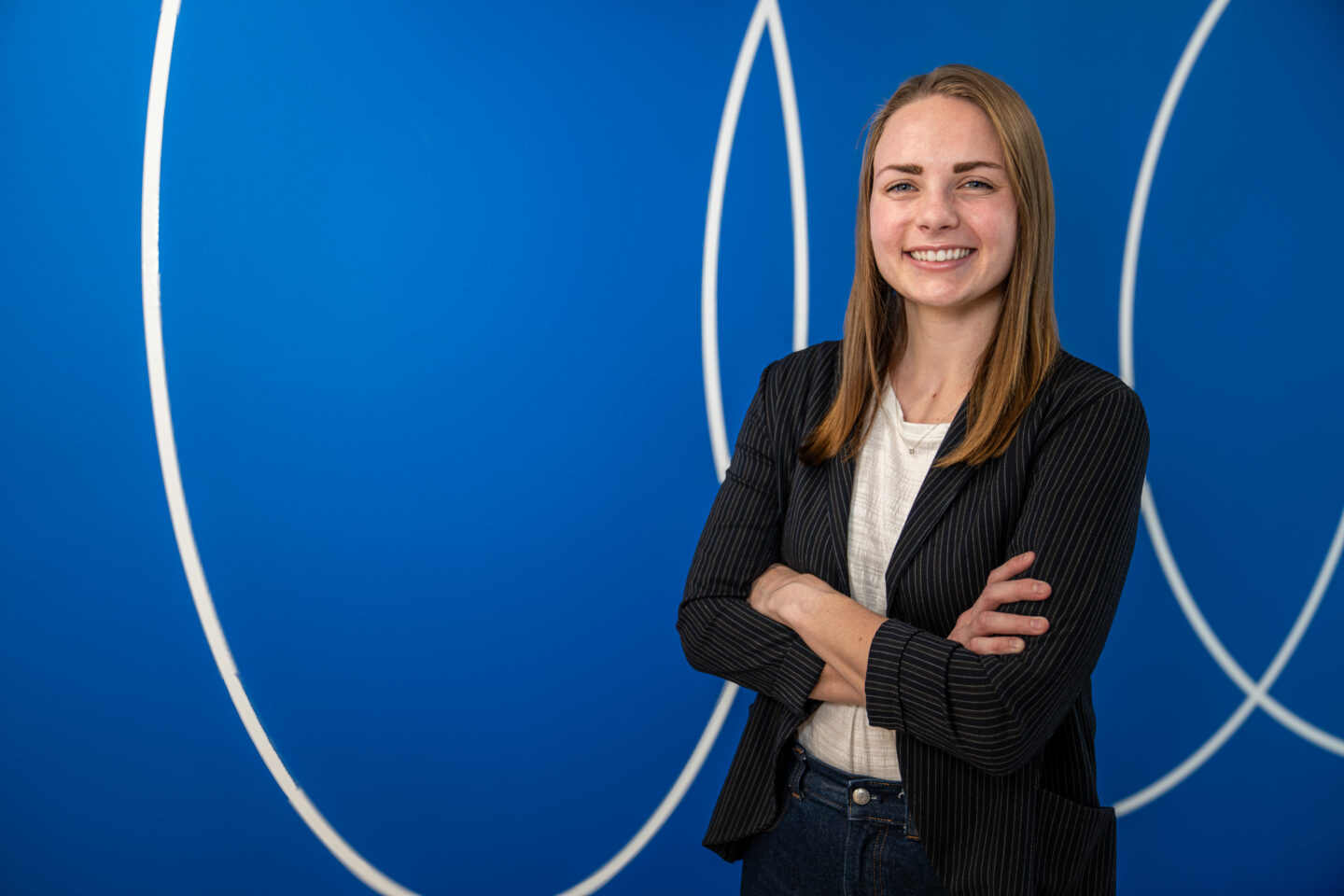
Haley Tholen, Ph.D.
Electrochemical Research Engineer II, ULRI’s Materials Discovery Research Institute
Haley Tholen is a research engineer focused on evaluating the materials and technologies necessary to make the energy transition more affordable, accessible, and practical to implement at scale.
As a mechanical engineer with experience spanning materials science, electrochemistry, manufacturing, marine biology, and computational systems, Tholen brings an interdisciplinary lens to energy challenges. This breadth allows her to bridge technical gaps across fields, while grounding solutions in sustainability and safety.
How can your work make the world a safer place?
Safety research ensures that innovation serves people first. At UL Research Institutes, safety is embedded into every stage of development. My work supports the energy transition in ways that prioritize community well-being, data reliability, and responsible engineering. For me, advancement is more meaningful if it is safe, sustainable, and built to protect both people and the planet.
What about the future of energy science gives you hope?
The rapidly decreasing cost of renewable energy shows that sustainable solutions are not only possible, but also economically competitive. While large-scale change takes time, the research is strong, accountability is growing, and cultural shifts toward sustainability are accelerating. This momentum gives me confidence that meaningful progress is underway.
Who inspires you the most when it comes to your work?
I am inspired by my parents, both chemical engineers, who integrated sustainability into their careers and daily lives. From them, I learned that engineering can drive lasting, scalable change —especially when paired with a little stubborn optimism.
Education: Pennsylvania State University, Ph.D., mechanical engineering
Researching reliability in energy storage systems
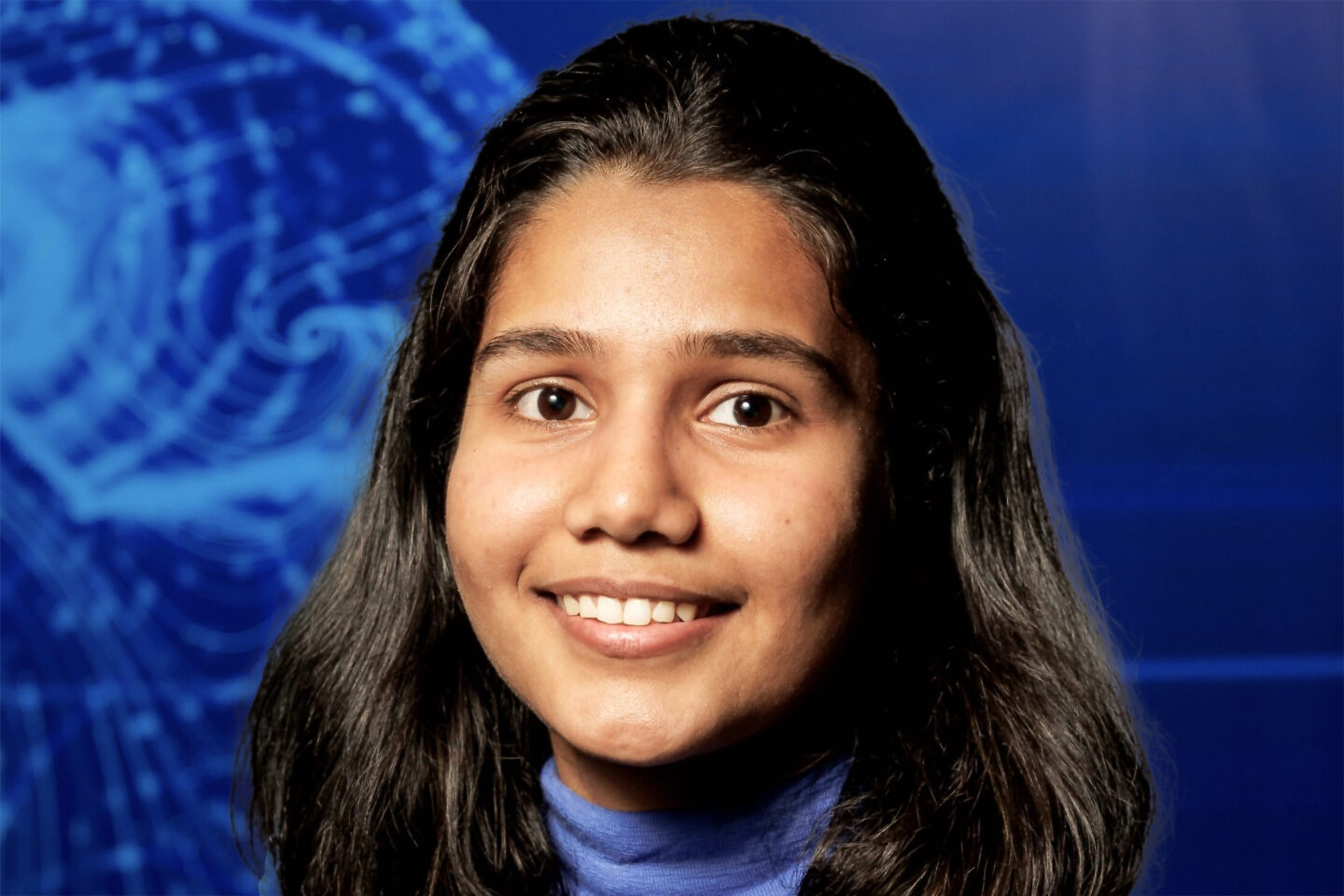
Bhuvsmita Bhargava, Ph.D.
Postdoctoral Researcher, ULRI’s Electrochemical Safety Research Institute
Bhuvsmita Bhargava is a postdoctoral researcher evaluating the early-stage thermal safety and performance of novel battery chemistries. She also focuses on developing recycling and separation methods that enable a more circular and sustainable battery lifecycle. This research matters to Bhargava because early‑stage materials decisions have not always centered safety, even though it shapes long‑term reliability and public trust.
She said reliability and public trust are necessary for the battery-powered clean energy transition to move forward.
How can your work make the world a safer place?
By prioritizing safety early in materials development, I help advance safer lithium‑ion and next‑generation chemistries before they scale, reducing thermal‑safety risks, material waste, and the mining footprint of batteries.
What about the future of energy science gives you hope?
I’m encouraged to see how the commercialization of batteries for consumer applications is increasingly moving in step with advances in large‑scale grid storage and renewable‑energy generation. Seeing these efforts develop together, and watching so many brilliant teams push fast, impactful progress in energy storage, conversion, and generation gives me real hope for a sustainable future.
What are you reading, watching, or listening to in your free time?
In my free time, I like watching YouTube channels that break down the real‑world impacts of the energy transition, especially as the narrative shifts from “in the near future” to “happening now.” For example, I like “Undecided with Matt Ferrell,” who focuses on how technology affects our lives.
Education: University of Maryland, Ph.D., chemical engineering