
2022 Progress Report
Revolutionizing Safety Through Science
Science for a Safer World
As the pace of technological change accelerates, we continually reevaluate and revise what it means to live and work safely.
New advances in energy, chemistry, engineering, and medicine have revolutionized the social and economic well-being of people everywhere, improving our quality of life in ways that were unimaginable when UL Research Institutes was founded in the 19th century.
We strive to build safety into these scientific innovations. By necessity, our definition of safety — of what it means to create a safer world — remains open to possibility and, like the world around us, continuously evolving.
Increasingly, our work reflects a growing awareness of the unintended consequences of the world’s extraordinary technological progress, which manifest as troubling milestones: record temperatures, rising sea levels, collapsing ecosystems.
We have good reason to believe that we can forge a safer path during the 21st century than we did in the 20th.
UL Research Institutes is uniquely positioned to lead this work. For nearly 130 years, we have been developing the processes, partnerships, and expertise to guide innovation and advance public safety. We’re scaling up our approach — and applying it to our Three Grand Challenges below.
Grand Challenge #1
Building Resilience for a Sustainable Future
Many solutions to climate change involve technologies that will play a vital role in driving down global carbon emissions. We are working to build safety into the design, development, and deployment of these technologies for a safer energy transition.

Grand Challenge #2
Advancing Individual and Societal Health in the 21st Century
New manufactured products and chemicals play an important role in societal progress. We are investigating the long-term impact of these chemicals on people, other species, and ecosystems.
Grand Challenge #3
Promoting Safety at the Human-Digital Interface
We are in the early stages of a technological revolution powered by digital intelligence. As we become familiar with problems in the digital ecosystem, we aim to develop new frameworks for digital safety in partnership with experts worldwide.

Setting the Agenda for Safety Science
As a global safety science leader, research is at the heart of our mission. We tackle the tough questions with a scientific rigor and objectivity trusted throughout the world.
Our best-in-class researchers strive to weave safety into the fabric of technological innovation through an established approach. It’s a meticulous and transparent process that underscores the integrity of our scientific research. Our findings support the development of standards and best practices for the safe use of evolving technologies while paving the way for regulatory and behavior change.
Read on to learn more about the research institutes comprising ULRI that take on our grand challenges in pursuit of a safer, more secure, and resilient society.
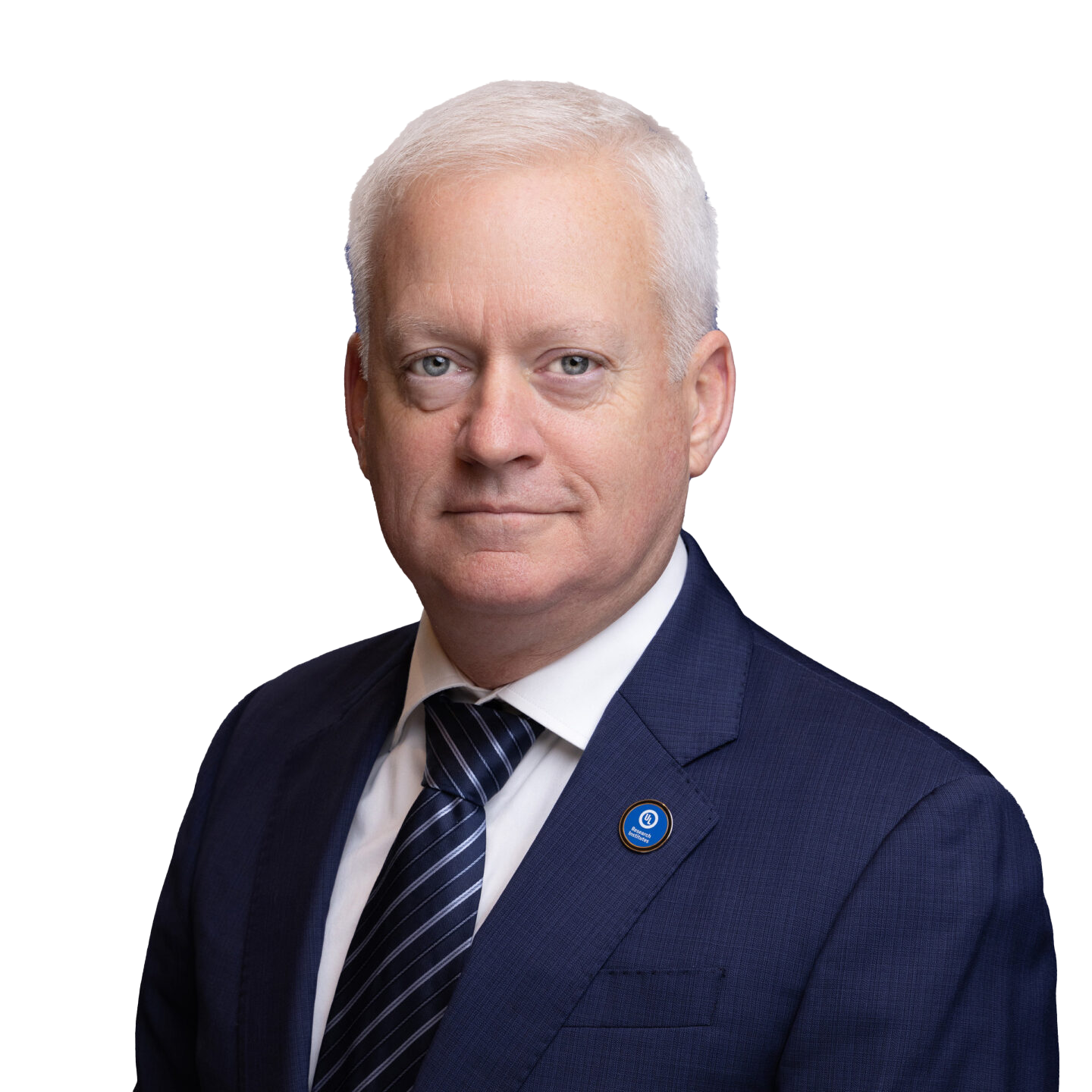
A Message From Chris Cramer
“We realize that the challenges of today’s world cannot be resolved by a single organization. We need a global perspective to address today’s global issues effectively, and we welcome connections and collaborations with researchers from myriad disciplines and backgrounds. Our continued growth and success will be measured not just by the scientists, researchers, and professionals who join our ranks but also by something equally vital — our ability to incorporate new and diverse perspectives.”
Christopher J. Cramer, Ph.D.
Senior Vice President and Chief Research Officer, UL Research Institutes


In Closing
This has been a historic year for ULRI. We have transformed our organization — dramatically increasing the scale and scope of our efforts — as we focus our expertise on the three grand challenges discussed throughout this report.
We will continue to expand as we work to extend and deepen the impact of safety science in pursuit of a safer, more sustainable world.
Still, we recognize that today’s complex issues require collaborative, multidisciplinary solutions. As we grow to address today’s complex global issues, we welcome collaboration with like-minded partners.
As the contents of this report demonstrate, our approach has yielded results unlikely to be achieved by any one group in isolation. We will continue to accelerate discovery by cultivating networks of scientific expertise, holding forums for discussion and debate, sharing knowledge, and enabling holistic solutions to pressing issues.
Fueled by dedication and collaboration, a safer future is not only possible but closer with each passing day.