NERIS Hits 1M Reports as Adoption Accelerates Across All 50 States
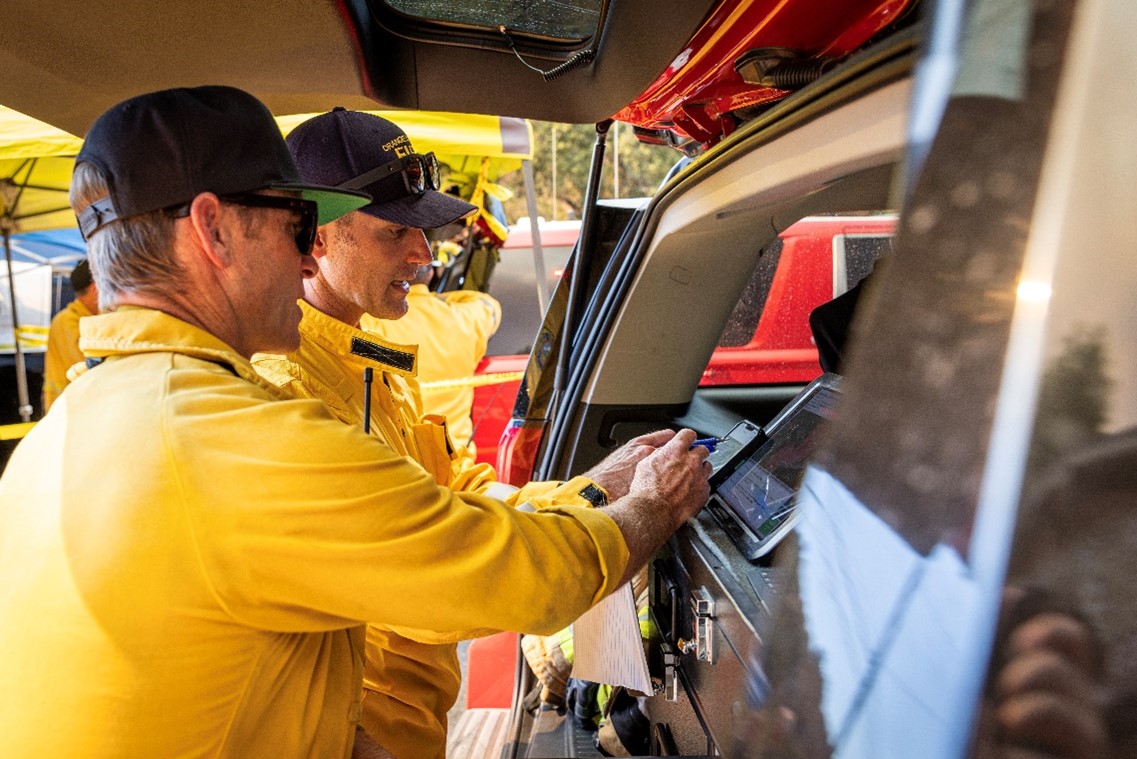
UL Research Institutes is marking major milestones in the rollout of the National Emergency Response Information System, or NERIS for short, a next-generation platform built by the fire service for the fire service. Developed by ULRI’s Fire Safety Research Institute in collaboration with the U.S. Fire Administration, NERIS was designed with direct input from firefighters to replace a system that served the nation for nearly 50 years. The result is smarter, more consistent, and highly accurate reporting that meets the complex demands of today’s emergency response environment.
Three milestones underscore the momentum:
- One million reported incidents: NERIS has officially surpassed one million reports, marking a historic milestone in modernizing emergency response data nationwide.
- Initial onboarding completed in all 50 states: More than 25,000 departments have been individually invited to onboard, with thousands already actively reporting. This number is expected to surge in early 2026 as NERIS becomes the nation’s official federal fire and all-hazards data system.
- Recognition by Popular Science: NERIS earned a spot on Popular Science’s prestigious Best of What’s New list in the Emergency Services category, highlighting its role in modernizing incident reporting and strengthening national preparedness.
“NERIS is turning hard won experience into timely intelligence,” said Thomas Jenkins, research program manager at ULRI’s Fire Safety Research Institute. “We brought operations leaders, engineers, and data scientists together on an aggressive timeline because every day matters when it comes to protecting people and property. With NERIS, departments can geospatially characterize risk to target public education campaigns, and measure how well those efforts work — from lives saved to community impact. This is a tremendous team achievement and a national asset that will continue to grow alongside the communities we serve.”
Why NERIS matters
Demand for emergency response services is growing, and the risks communities face are broader and more complex than ever. NERIS equips first responders with actionable intelligence — tracking lives saved, improving resource allocation, and enabling faster, data-informed decisions that demonstrate measurable impact to the communities served.
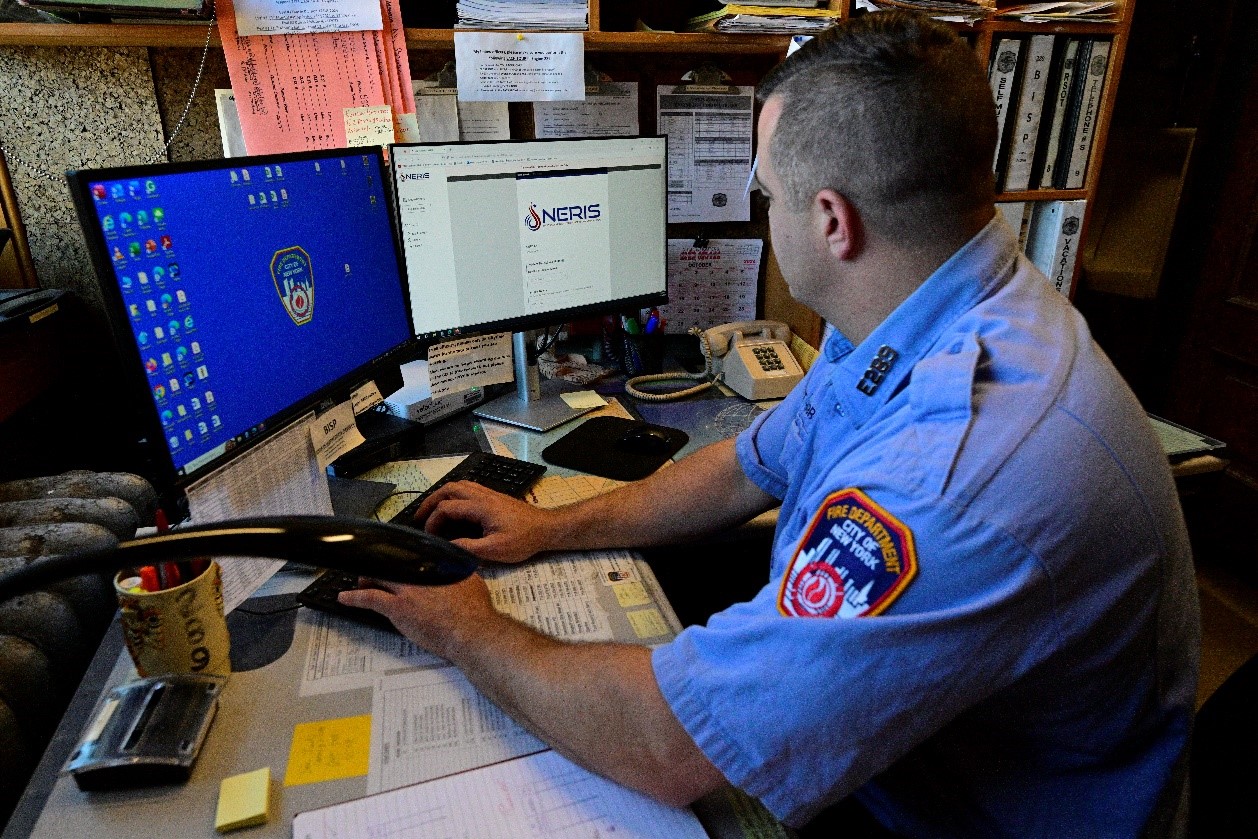
Key improvements over legacy reporting:
- Ease of entry: A modern, mobile friendly interface supports accurate, efficient reporting.
- Automatic data flow: NERIS is designed to integrate with existing records management systems and computer-aided dispatch systems, replacing manual uploads.
- Accuracy and detail: Geocodes incident data link response activities to an address or map location.
- Timely insights: NERIS aims to deliver current, verified data quickly to enable performance comparisons and drive data-informed decisions departments can use now.
- Interoperability: Standardized data is used to improve fire prevention and safety, guide resource deployment, and evaluate performance.
National fire service data, updated daily for greater accuracy
As part of its commitment to transparency and public benefit, the Fire Safety Research Institute launched NERIS Public: Fire Departments, an interactive map and dataset featuring headquarters locations, station boundaries, and jurisdictional details. What makes this resource stand out is its daily updates of locally validated fire department data at a national scale — ensuring the map becomes more accurate and authoritative over time. This dynamic dataset gives researchers, planners, and public agencies a reliable foundation for understanding coverage, assessing needs, and supporting decisions at local, state, and national levels.
Read more about the dataset: Siren Blog
View the map: NERIS map
“At UL Research Institutes, our commitment to working for a safer world means delivering tools that make a real difference,” said James J. Hudgens, Ph.D., president and CEO of UL Research Institutes. “NERIS is more than a reporting system. By transforming emergency response data into actionable insights, we’re helping first responders protect lives and strengthen community resilience.”
PUBLISHED